

What Are We Owed? Land As Our History and Future
Black Yard Farm Collective was never simply about producing food. The farm is an opportunity to build community, housing, education, and, most importantly, connect people to land.
Voices from the Land is a collaborative op-ed and video series between Farm School NYC (FSNYC) and the New Harvest Project (TNH) that highlights urban and rural farmers, policy that impacts their work, and what we can do to uplift legislation reflective of their needs to direct future policy decisions. This project is funded by the Regenerative Agriculture Foundation (RAF) through the Rural Advancement Foundation International - USA (RAFI).
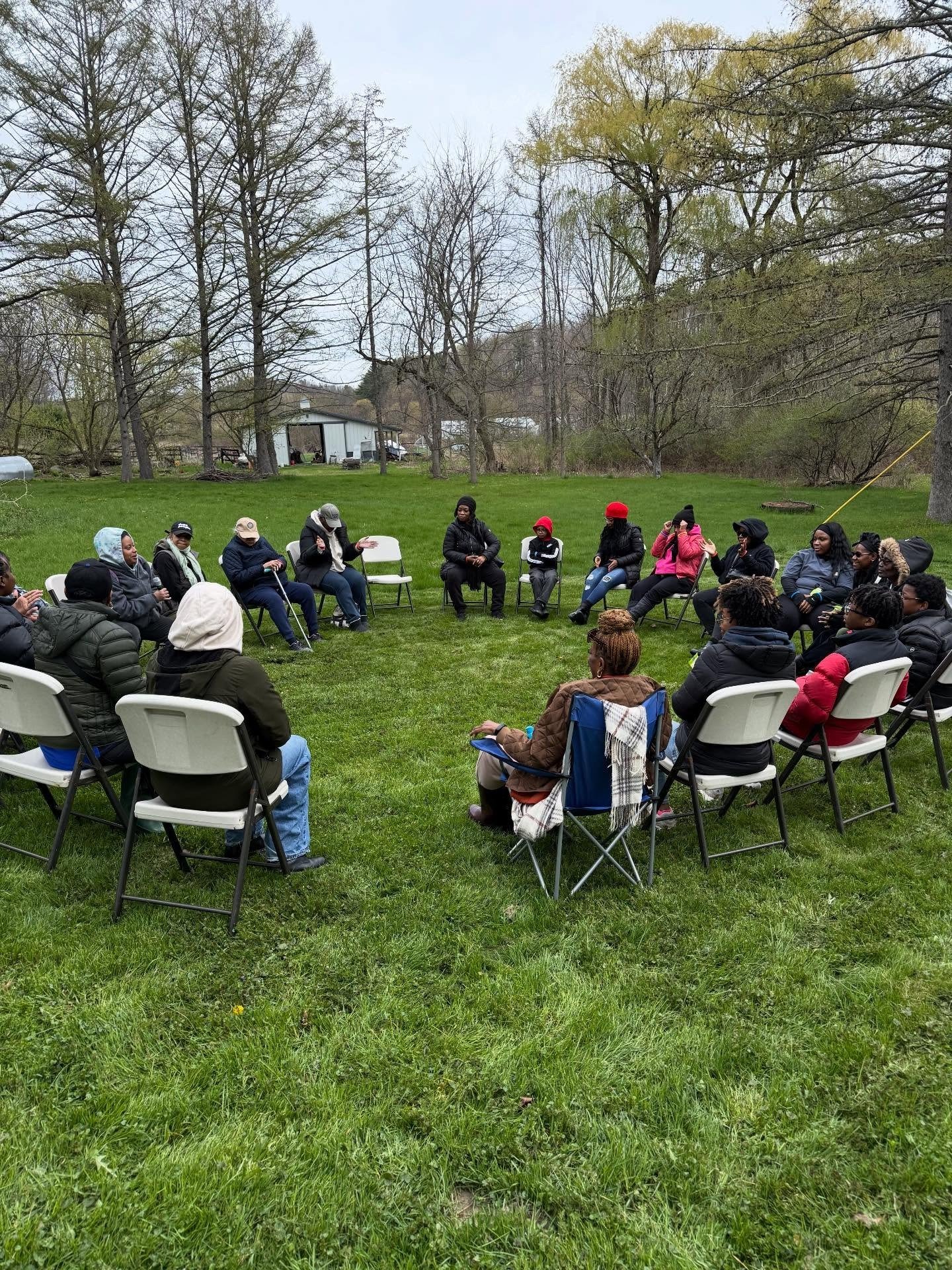
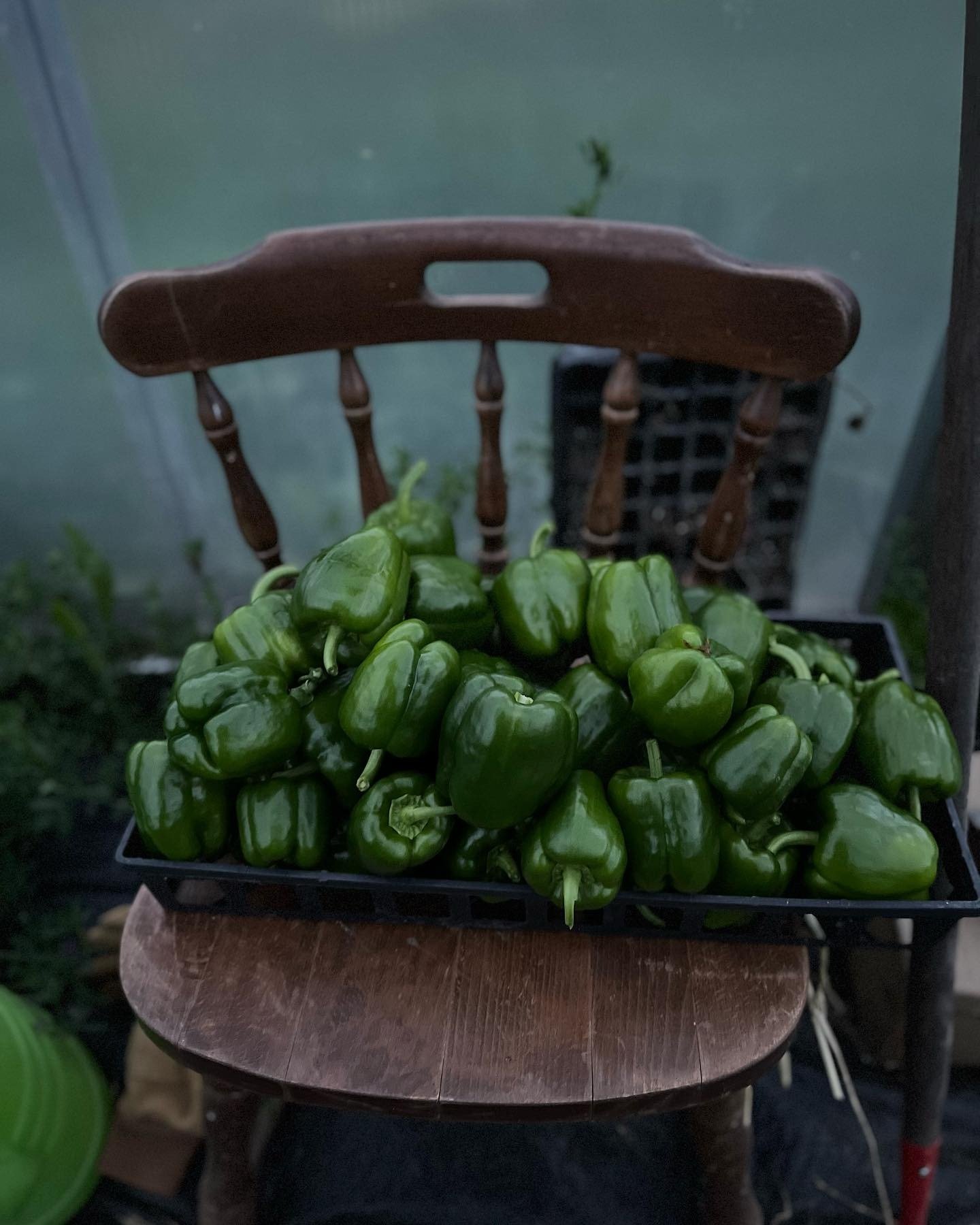
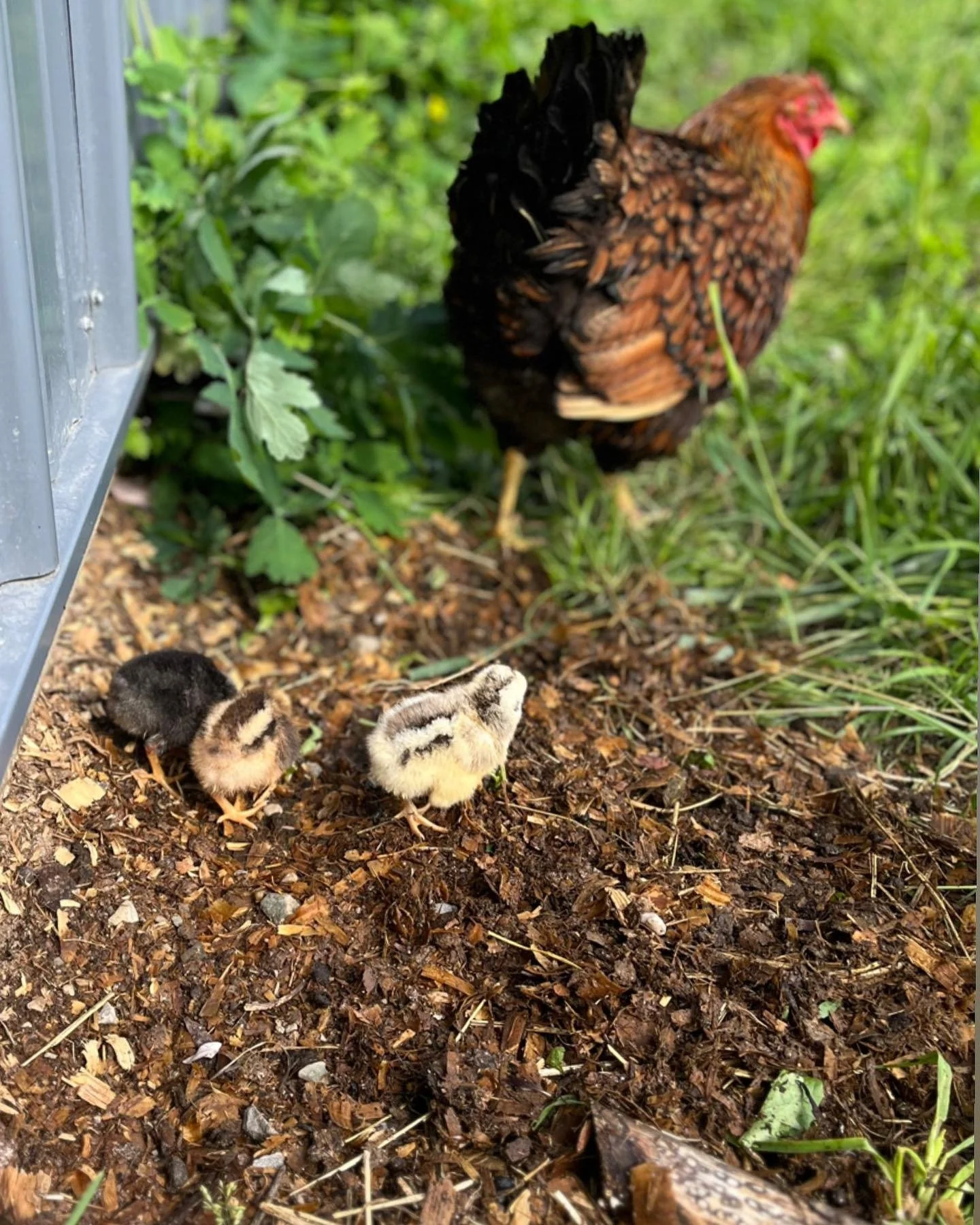
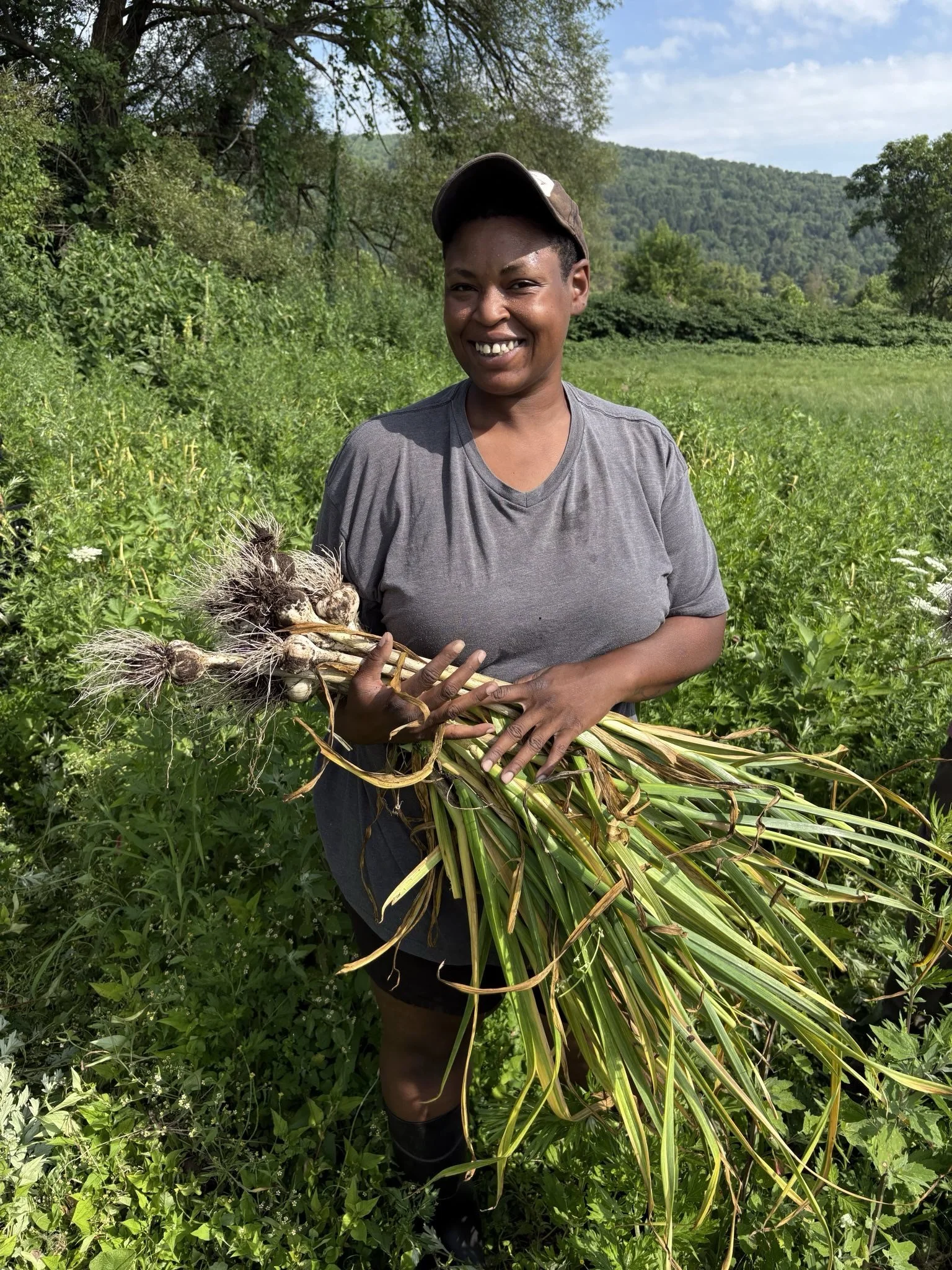
Photo Courtesy of Ashanti Williams, Founder of Black Yard Farm
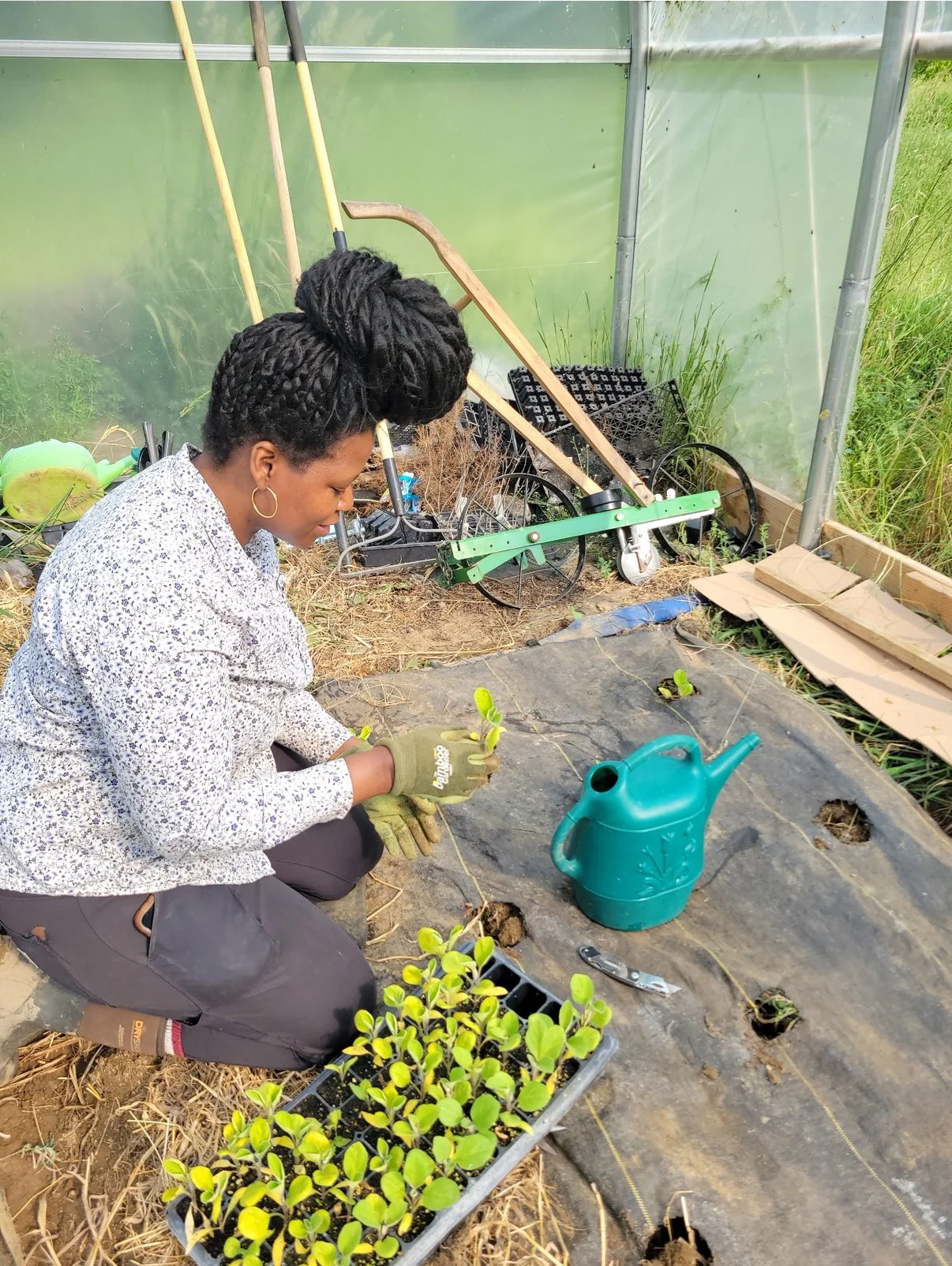
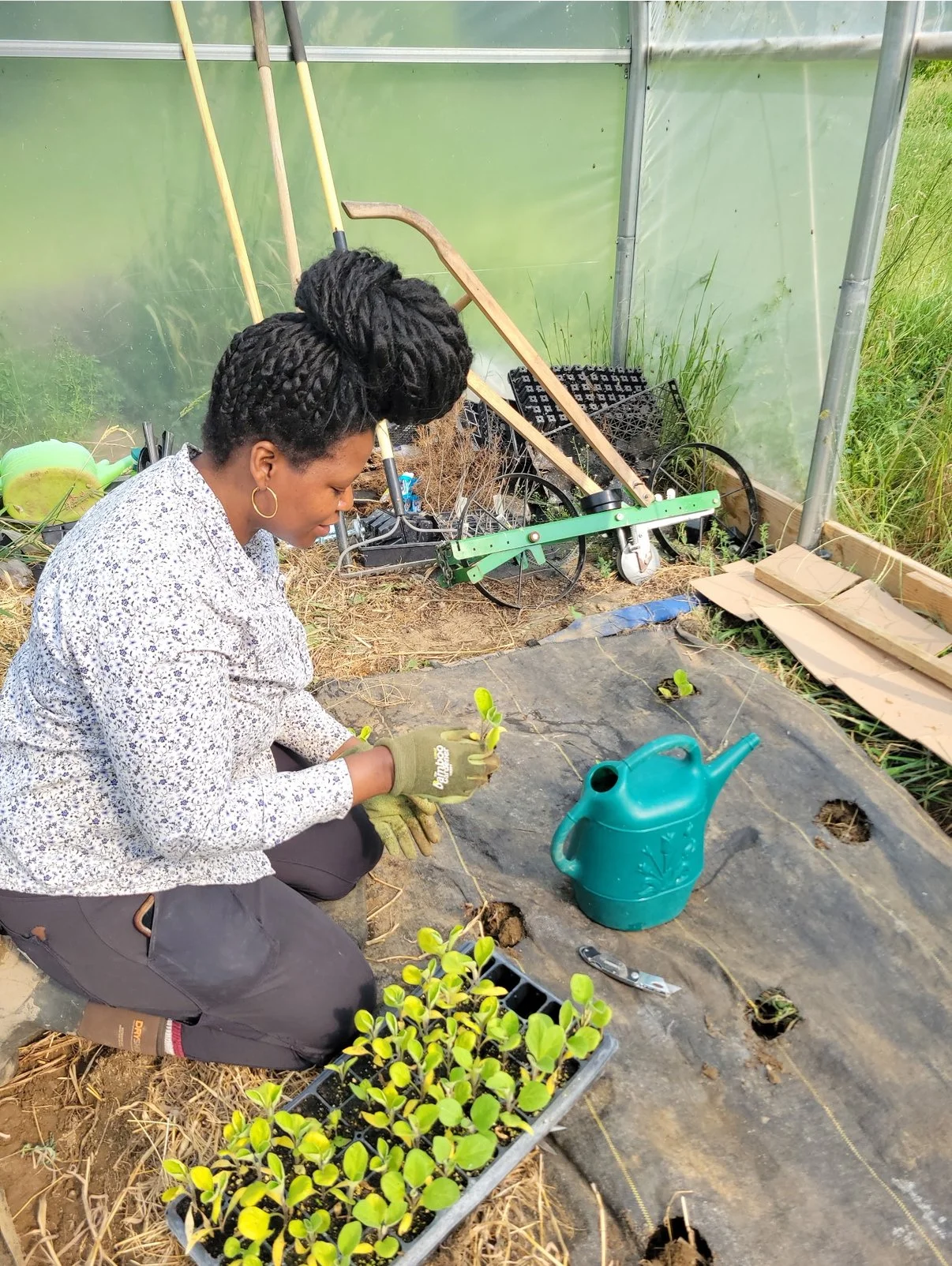
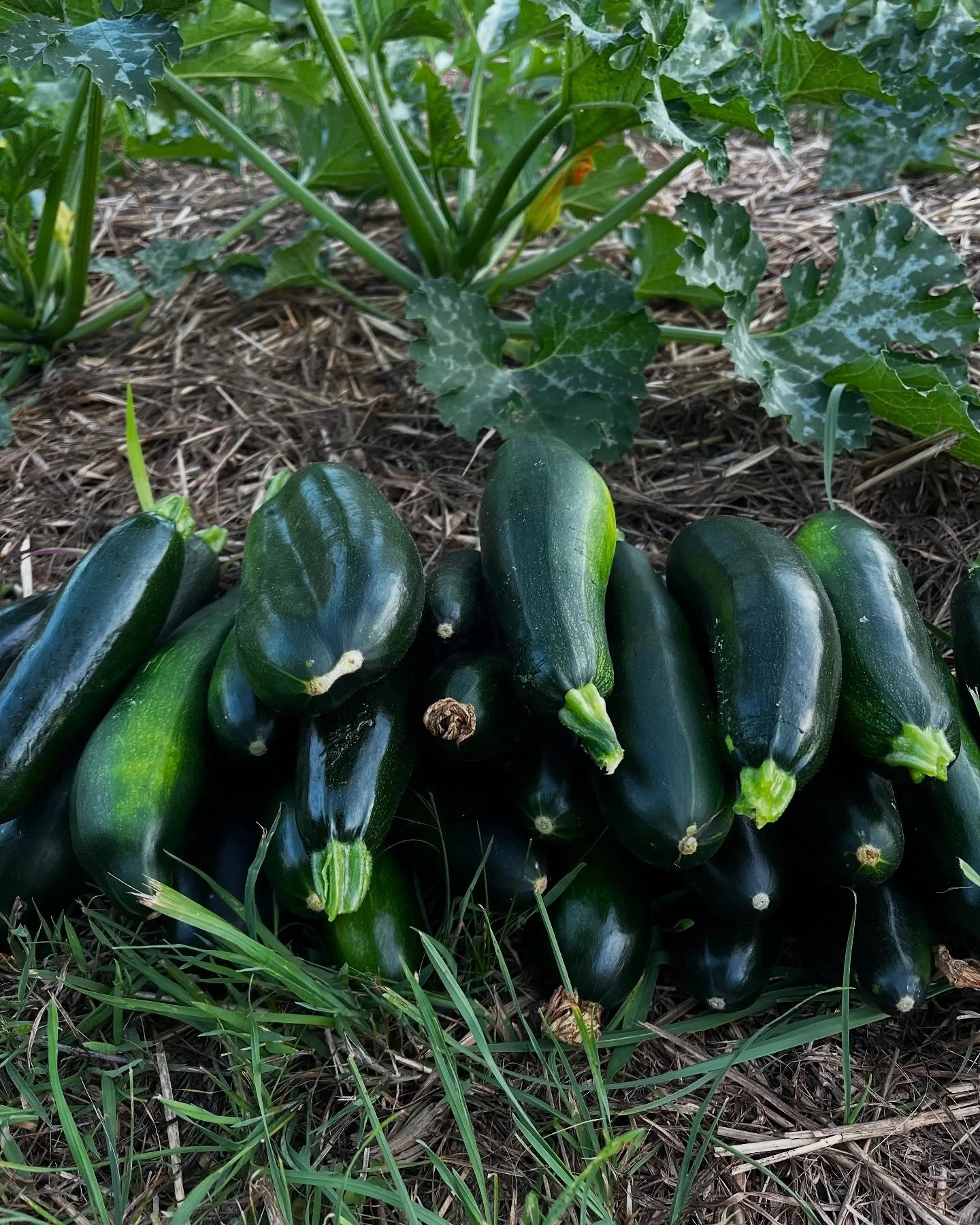
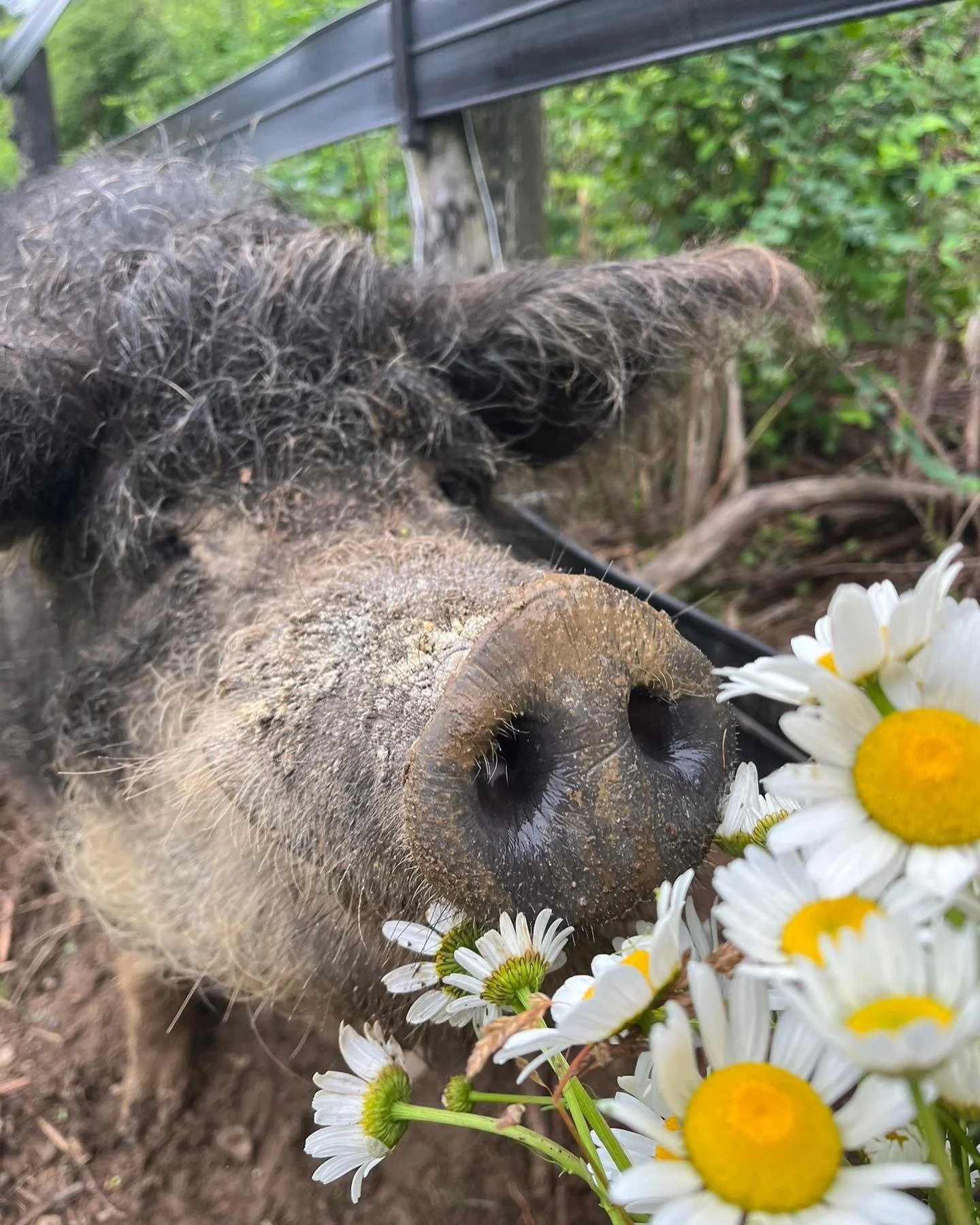
Black Yard Farm sits on 89 acres in Washington County, New York. Many lives live here. There are chickens—48 at the moment, with hundreds more raised throughout the year—along with a pig named Pedro, 11 cats, a turkey, and plans for sheep and goats. I grow 43 varieties of vegetables each year.
I always knew that building Black Yard Farm was never simply about producing food.
I grew up in The Bronx, where my introduction to farming began with my grandfather, Abu Talib, who, along with a few other community members, established Taqwa Community Farm on a vacant city-owned lot in the early 1990s to address food insecurity in the neighborhood. The community farm still stands today, providing fresh food in a neighborhood with limited access to grocery stores, while also giving young people like me a place to learn this work. By the time I was 11, I was helping my family start a youth-run farmers market. That early experience continues to shape the possibility of what the full robustness of Black Yard Farm could look like. To me, I see the farm as an opportunity to build community, housing, education, and, most importantly, connect people to land.
The Beginnings of Black Yard Farm
Black Yard Farm began in 2020 as a collaborative project involving six people. After difficulties with the original property and its lease, and team dynamics, the farm project relocated to its current home in Washington County.
I was fortunate to find landowners who were excited about returning what had become just a residential property back to active farmland and were even more excited about Black Yard Farm's mission to do so collectively. I envision this farm to be a producer cooperative where various agricultural and farm-adjacent businesses will operate on the same land, caring for it collectively while creating their own products and livelihoods and market these goods under the same umbrella.
This could look like maple production, honey bees and mushroom cultivation, educational programs, visiting chefs using food grown on the property, and eventually housing for people participating in the cooperative. Black Yard Farm will stand as an ecosystem, just how nature does. At one point, my understanding of what a cooperative and farming ecosystem was completely different. I used to think that meant everyone working on the same piece of property, doing the same things together all the time. But I now know that co-existence and cooperative living can look how you want it to.
For small farmers and Black farmers, who have historically been barred from accessing significant amounts of capital, collaboration can expand opportunity without requiring each individual to bear the full cost of land, infrastructure, and equipment alone.
While some recent federal programs designed to reach historically underserved farmers offer meaningful opportunities, the application process can still be difficult. It can be burdensome to understand the language of these programs and applications and to figure out how best to present an entity like Black Yard Farm in the current political climate.
There is so much uncertainty since the turn of the Administration. Thankfully, I have a favorable lease for Black Yard, which leaves me with the first option to purchase the land next spring. However, I will likely have to rely on federal funding.
In the current moment, I worry about the discomfort of identifying as a Black-led and centered business, particularly when it comes to applying for federal funding since diversity, equity, and inclusion are being actively targeted.
What Are We Owed?
As stated in The Color of Money: Black Banks and The Racial Wealth Gap, by Mehrsa Baradaran, the wealth of the United States was built on the labor of Black people in agriculture, specifically through cotton production, and we seem to be forgetting that. I will always bring up reparations.
Not only were enslaved Black folks exploited for their labor during slavery, but they were traded and sold as commerce—liquid assets, if you will. Black folks were prevented from participating in receiving profit or any benefits from the institution of slavery and the production of cotton, the very system that led America to economic dominance worldwide. Federal laws were put in place to uphold slavery and the notion of Black folks being inferior to whites, being considered ⅗ of a man, and that it was God's will for slavery to exist were spread far and wide. When slavery ended, white farm owners were compensated for their “loss of capital”, after no longer being allowed to exploit black folks for profit. After slavery was abolished, the era of Jim Crow was ushered in, and laws were put in place to continue restricting access to resources and funding to Black folks. This perpetuates today in the current wealth and land ownership gaps amongst black and white folks.
Black Yard Farm is an opportunity to hold space for this knowledge and build new restorative systems that value all beings present, working the land and beyond. We are owed the same opportunities to build sustainable, profitable businesses that nourish our lives and communities.
That is a radical idea in a capitalist society, and we must hold on to it.
New York has the Infrastructure to Keep Food Affordable and Local. It just needs Investment.
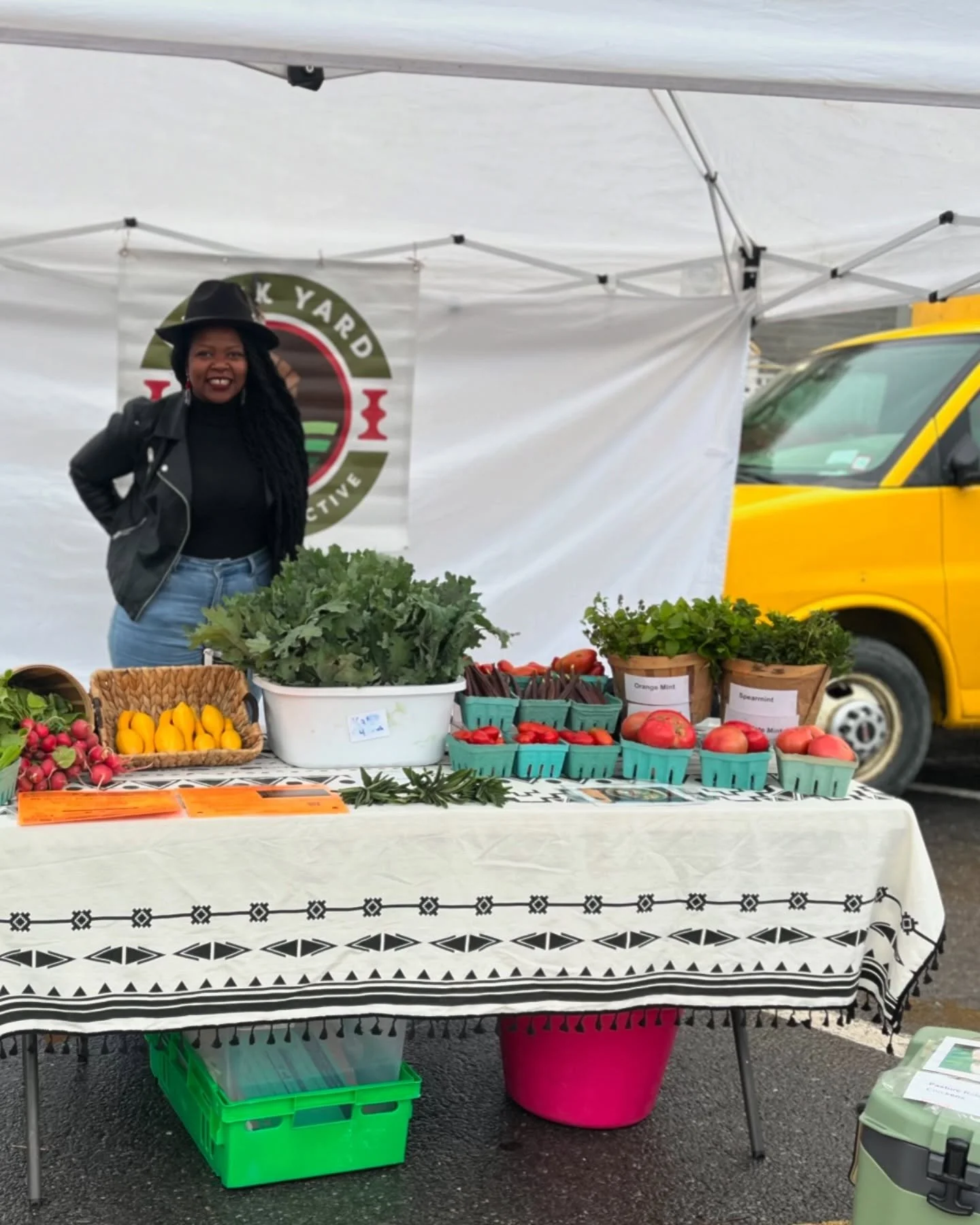
You don't have to look hard to find worker-owned cooperatives, community food hubs, local distributors, and independent growers that have built the infrastructure needed to move fresh food from farms throughout the Hudson Valley, the Catskills, western New York, New York City, and beyond. That's exactly what Brooklyn Supported Agriculture does.
Voices from the Land is a collaborative op-ed and video series between Farm School NYC (FSNYC) and the New Harvest Project (TNH) that highlights urban and rural farmers, policy that impacts their work, and what we can do to uplift legislation reflective of their needs to direct future policy decisions. This project is funded by the Regenerative Agriculture Foundation (RAF) through the Rural Advancement Foundation International - USA (RAFI).
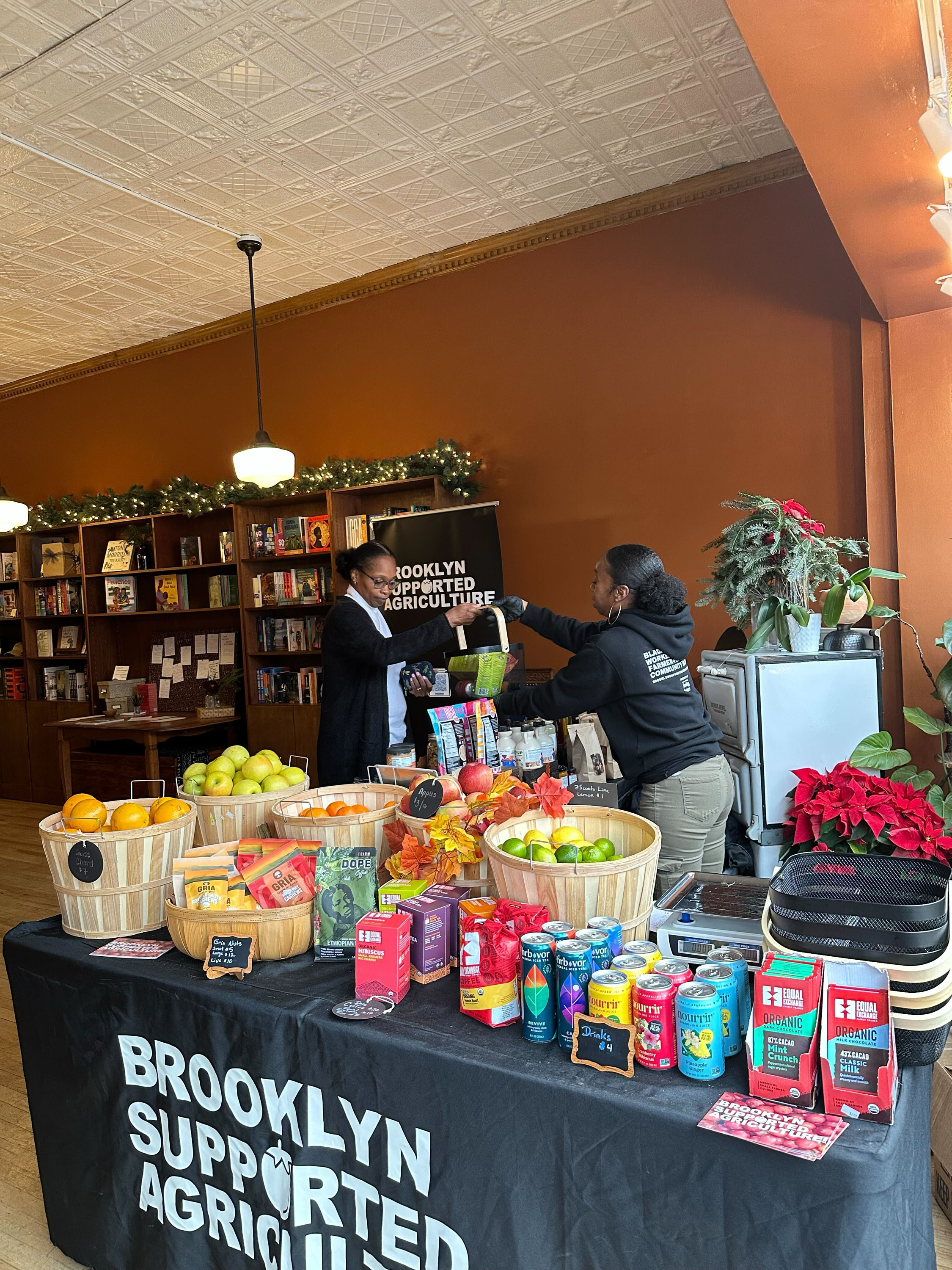
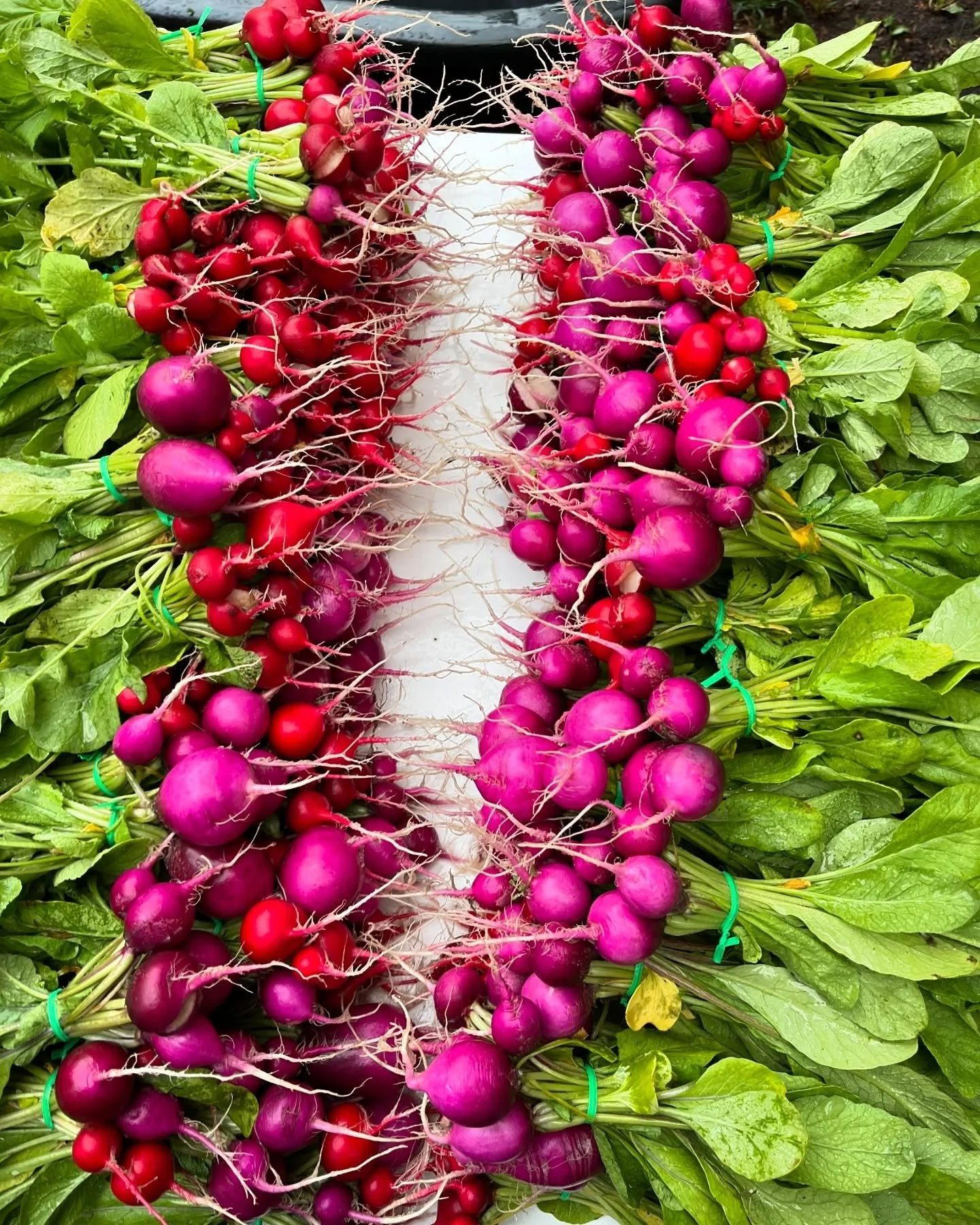
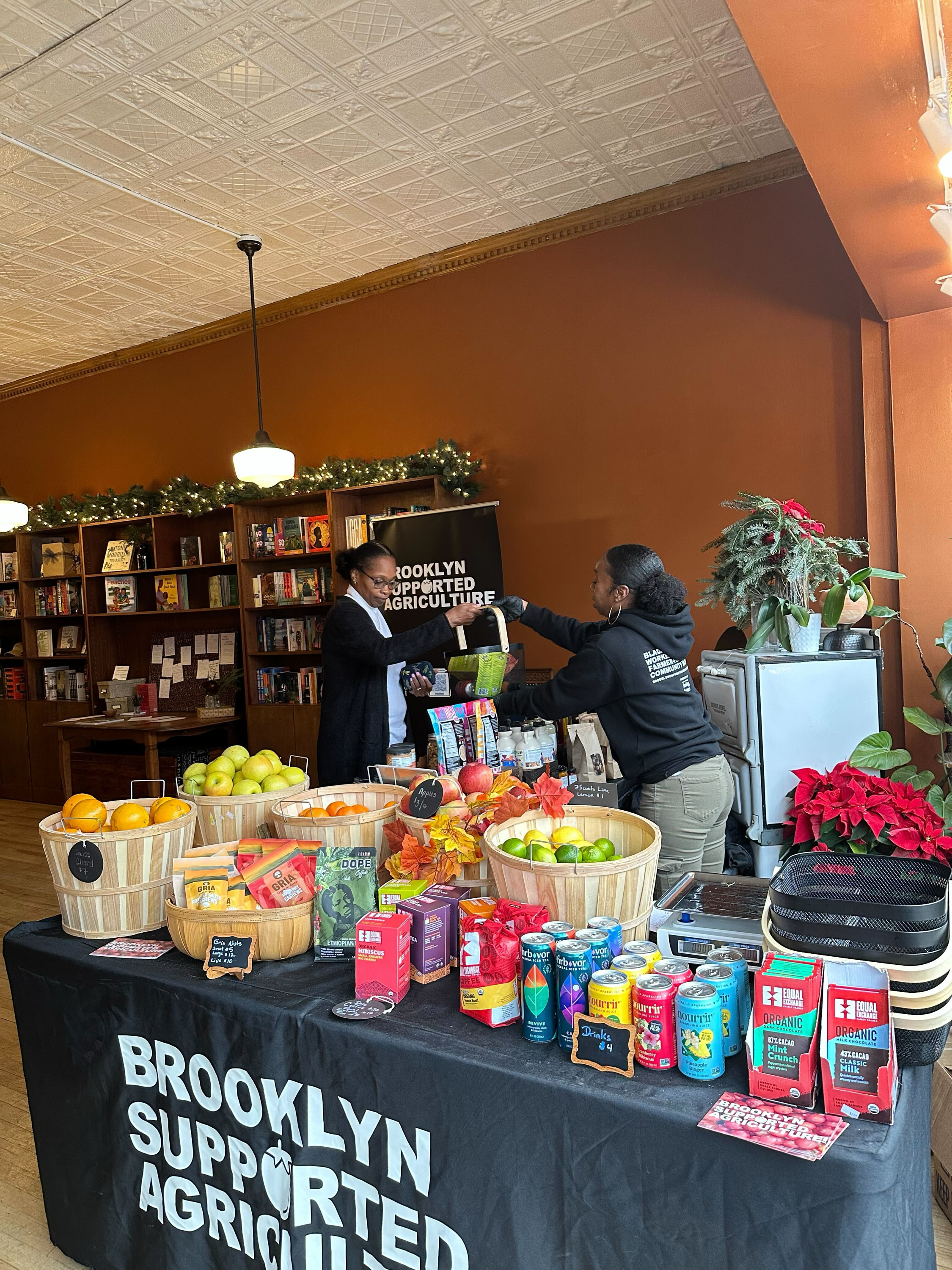
Photo Courtesy of Brooklyn Supported Agriculture
New York has an opportunity to rethink what affordability and local food actually mean.
You don't have to look hard to find worker-owned cooperatives, community food hubs, local distributors, and independent growers that have built the infrastructure needed to move fresh food from farms throughout the Hudson Valley, the Catskills, western New York, New York City, and beyond. That's exactly what Brooklyn Supported Agriculture (BSA), the organization I co-founded with Shawn Santana in 2016, does as a worker-owned cooperative focused on changing the food system. However, one key hindrance to our local ecosystem is institutional food procurement—a process that allows institutions such as universities and hospitals to source food and other services from the lowest bidder.
We have built a food system that treats food like any other commodity. Consumers expect the lowest price. Contracts are awarded to entities—in this case, farm and food aggregators—that can supply food and services at the lowest cost. This means that large corporations, institutions, and agencies can maximize their bottom lines. But the farmers and farmworkers growing our food and the small businesses trying to make fair prices work for everyone get squeezed.
For me, this is where the tension lives.
While the cheapest offer wins, food quality and fair wages are often disregarded, failing to reflect the true cost of growing food. The result is a system where schools, hospitals, and senior centers receive inexpensive food that is likely not the most nutritious. This begs the question of why we aren't prioritizing the health of our elders and youth. At BSA, we are always doing a delicate dance to get our farmers the highest price we can for the labor and care they put into growing our food, while making sure we offer prices our customers can afford.
It has been encouraging to see legislation such as the Good Food NY Bill that pushes municipalities to “consider other factors when determining best value,” rather than just the lowest cost. The bill, inspired by The Good Food Purchasing Program, supports institutions in shifting toward a values-based procurement model that prioritizes five key aspects: local economies, animal welfare, environmental sustainability, nutrition, and a valued workforce, to hold institutions more accountable in their practices and procurement decisions. Focused on supporting small and historically marginalized farmers and food vendors, this is a step in the right direction toward creating an equitable, local food system while helping organizations like BSA secure larger contracts.
Can City-Owned Groceries and Small Farm and Food Businesses Work Together?
Rather than building entirely new food systems, New York should strengthen its existing networks. The forthcoming city-owned grocery stores proposed by Mayor Mamdani’s Administration offer an opportunity to do so. For BSA and for where we stand as activists and business owners, the critical question is whether these new grocery stores will strengthen the existing ecosystem or simply recreate the same supply chains under a different name. Other questions we have are:
Will local farmers have a seat at the table?
Will worker-owned cooperatives and the existing local food ecosystem be part of the initiative?
How might local farmers and this Mayor’s office work together to strengthen food access?
While the five proposed grocery stores will not transform New York City's food system overnight and will face logistical challenges, we must acknowledge how incredible this bold idea is. This is the kind of experimentation that helps public systems improve. At the same time, community food enterprises, like BSA, Corbin Hill Food Project, Connected Chef and many other community food hubs, and regional logistics organizations have spent years solving problems that the government now hopes to address.
We have relationships with farms. We know how to aggregate produce, manage refrigerated transportation, and deliver fresh food into neighborhoods that have historically lacked access. I see these city-owned groceries as an opportunity to work together. We have shared our concerns and guidance in a white paper in collaboration with Equity Advocates, Catskills Agrarian Alliance, New York City Network of Worker Cooperatives, and other partners. Prioritizing Affordable, Quality, Neighborhood-Based Supermarket Access as a Public Good: Focus on City-Owned Supermarkets and Complementary Cooperative Ownership Models makes recommendations for how NYC’s city-owned grocery stores can succeed while grounding what a solidarity economy could look like for our food system.
While much of our food is now through apps and fast-delivery platforms, one focus of BSA is to bring back face-to-face relationship-building. Over the past few months, we’ve been doing more pop-ups and community-focused events such as our recurring pop-up at BEM Books & More, Brooklyn Children’s Food Festival and Black VegFest, alongside our new updated storefront in Bed Stuy, Brooklyn. We are seeing that people want more opportunities to interact with us and each other, and this is how we can continue to build community.
If we truly want a resilient local food system, we don't need to invent one from scratch. We need the political will and opportunities to support the one that's already growing around us.
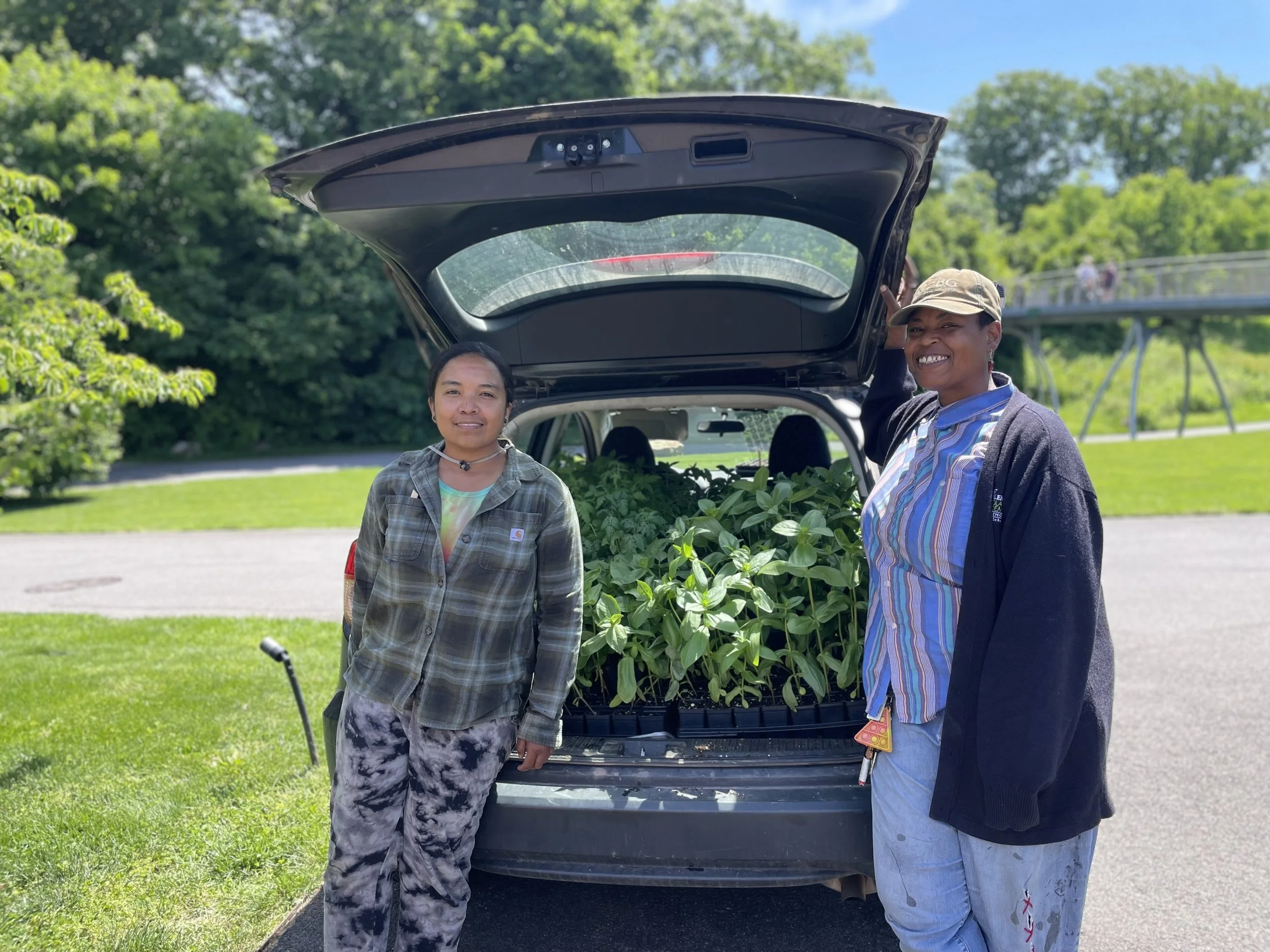
Expanding the Vision: Farming for the Commons
When we think of farming, we don't often picture Black and Brown people across generations working and farming together, or farming collectives that grow and distribute food to support their communities. We also don't picture entities like the Iridescent Earth Collective that exists as an agroecological farm project rooted in land stewardship, education, community health, and mutual aid. Who do we consider a farmer, and how can we as a society make it easier for such communities and collectives to thrive?
Voices from the Land is a collaborative op-ed and video series between Farm School NYC (FSNYC) and the New Harvest Project (TNH) that highlights urban and rural farmers, policy that impacts their work, and what we can do to uplift legislation reflective of their needs to direct future policy decisions. This project is funded by the Regenerative Agriculture Foundation (RAF) through the Rural Advancement Foundation International - USA (RAFI).
When we think of farming, we don't often picture Black and Brown people across generations working and farming together, or farming collectives that grow and distribute food to support their communities. We also don't picture farmers in places like the Bronx growing food for their neighbors during a public health crisis like the COVID-19 pandemic.
Who do we consider a farmer, and how can we as a society make it easier for such communities and collectives to thrive?
What's Missing in Agricultural Policy
So the Farm Bill is a major piece of legislation. It affects investments in farming, natural resources, small-scale local farms—really the whole agricultural industry, among other areas. The bare minimum is “to ensure that farmers/producers (small and large) can continue to supply our nation with affordable food”. A large chunk of the Farm Bill includes $6 billion for conservation farming, which ensures the sustainability of our industry and supports biodiversity. The broader bill also invests in rural communities (where I live and love), state economies, and jobs. Every five years, the Farm Bill is renewed. The most recent bill expired after a five-year cycle in October 2023. Then in March 2025, the Trump Administration canceled the American Climate Corps program, which was set to train a new generation of conservation and climate leaders. The Farm bill operated by having some parts of it extended before its renewal in April 2026.
What’s now missing are billions of dollars meant to support small farms like my own, Iridescent Earth Collective. For example, the US Department of Agriculture’s (USDA) Environmental Quality Incentives Program (EQIP), a cost-sharing program for farmers looking to implement conservation practices on their farms, has been gutted. Farmers now have fewer resources to build resilience into their work. Alongside that, USDA Secretary Rollins canceled the $1 billion Local Food Purchase Assistance Cooperative Agreement Program (LFPA), which connected small farms to schools. Additionally, cuts to the USDA have led to a staffing crisis. One example is the Farm Service Agency staff losses, which now puts farmer safety nets at risk. This downsizing in federal support comes on top of rising production costs, low crop prices, and cuts to investments in beginning and young farmers.
So much of the community-centered food production and distribution across New York and nationwide is led by local groups, religious organizations, and small-scale farms like my own, Iridescent Earth Collective (IEC).
I grew up in the Highbridge section of the Bronx, spending much of my early years at the Taqwa Community Farm, which seeded my love for farming and community work. I worked in the Bronx and throughout the city for over a decade, growing and distributing fresh food. Leading up to the pandemic, my partner Jessica Tobon and I were working with Bronx Green-Up, a community gardening outreach program of the New York Botanical Garden that works with Bronx residents, schools, and organizations.
At the start of the pandemic, I witnessed firsthand how quickly food insecurity could deepen in the place I call home.
The food lines had more than tripled and the community gardens were empty. We suggested working with folks to produce and distribute food locally. Once the program started growing food for the community, something clicked and I realized that this was my calling.
Models For Land Access And Community Support
Iridescent Earth Collective (IEC) was created in 2021 with several members, including Jessica and me, the remaining founders in 2026. IEC is an agroecological farm project rooted in land stewardship, education, community health, and mutual aid. Our home is the West Branch Commons (WBC), a 287-acre community land trust that offers long-term, affordable land access centering Queer & Trans, Black, Indigenous, and people of color (QTBIPOC) farmers via long-term ground leases. The Catskills Agrarian Alliance (CAA) has been shepherding WBC since 2021, alongside a volunteer team of local farmers and organizations inspired by worker-cooperative principles and the international peasant-farmer movement. Because the cost of farmland is the key prohibitive factor for beginning farmers, the work of WBC remains critical
CAA found Tommy Hutson, an aging fourth-generation dairy and meat farmer looking to transfer his land to the next generation. Tommy was already working with organizations such as the American Farmland Trust and the Watershed Agricultural Council to develop easements to protect the land from development, but he had no transition plan to keep the farm in active agricultural production.
CAA facilitated a meeting between Tommy and IEC—we all agreed from the very beginning that this land was meant to be stewarded, not extracted from. We quickly began working with WBC, which helped us preserve this farmland, supported Tommy's transition to retirement, and offered IEC secure land tenure.
Small Farms and Community Food
One way that we steward both the land and community is through mutual aid. IEC’s land project is a small-scale 3-acre farm that produces food for local and regional distribution. All of the food we grow goes to the local food banks and Bronx distribution points in need. The farm’s support network grew in 2023 with mentorship, equipment, and infrastructural support from local farms River Haven Farm (Tommy’s old farm), Berry Brook Farm, and Lucky Dog Organic Farm. There is also a swell of local and regional volunteers. Despite stimulating local businesses like Farmers’ Lunch and the Hamden General Store, there is often leftover produce. IEC began coordinating with Berry Brook Farm to donate that food as well. Pantry staff and clientele are often surprised to learn that all the food is fresh and locally grown. The corporate donation model is challenged when we deliver fresh and locally grown food, and we create pathways for community members to access fresh and nutritious food and connection points to us as small-scale farmers. We’re all happy to do it as members of this community.
Right now, IEC operates as an LLC with a fiscal sponsorship, and our model draws on non-profit and cooperative models. Outside of farming, IEC also provides workshops, training, local events, apprenticeships, hosts gathering parties, and offers low-pressure entry points to farming for community members. We do spend much of our time fundraising — which I know is not sustainable in the long term. However, it could be if the USDA offered funds for projects like this. Funding could support community capacity building, local innovation, collaboration, and sustainability.
There are programs within the USDA that already fund a specific kind of farmer—mainly farmers growing row crops, and that's not what we do. The agency needs to expand the kinds of farmers it funds, as small- to medium-scale farms produce the rest of the food people eat. We produce the variety in foods. We can sell what's ripe and in season while stewarding soil and native plant ecosystems. At the core of this work is a deeply rooted value that all communities should have access to this on a basic human level. We need more federal programs specifically designed to support this kind of hyperlocal food distribution work. Programs administered through agencies such as the Natural Resources Conservation Service (NRCS) and Farm Service Agency (FSA) can be transformative, but funding and staff cuts slow administration and bottleneck the system.
Iridescent Earth Collective breaks the traditional models of what a farm is—not just a business but a community institution.
We exist as a source of education, food security, environmental stewardship, and cultural connection. We build relationships between neighbors and create resilience during times of crisis. There’s no doubt that American agriculture requires large-scale production. It also, and more importantly, requires small-scale farms to feed communities directly, steward local land, and provide safe spaces for all young farmers, especially those of color, moving the future of agriculture and community forward.
You can also watch Kitty’s full interview here.

Planting Resistance: Why New York Should Let Its Communities Grow
Ask a simple question—can New Yorkers grow food on public land?—and you’ll find yourself in a bureaucratic loop. The Art of Community Tree Gardens, a project by artist and farmer Chantel Kemp, puts this philosophy forward—food should be free, and our public spaces should support radical free growing— in both practice and policy.
Voices from the Land is a collaborative op-ed and video series between Farm School NYC (FSNYC) and the New Harvest Project (TNH) that highlights urban and rural farmers, policy that impacts their work, and what we can do to uplift legislation reflective of their needs to direct future policy decisions. This project is funded by the Regenerative Agriculture Foundation (RAF) through the Rural Advancement Foundation International - USA (RAFI).
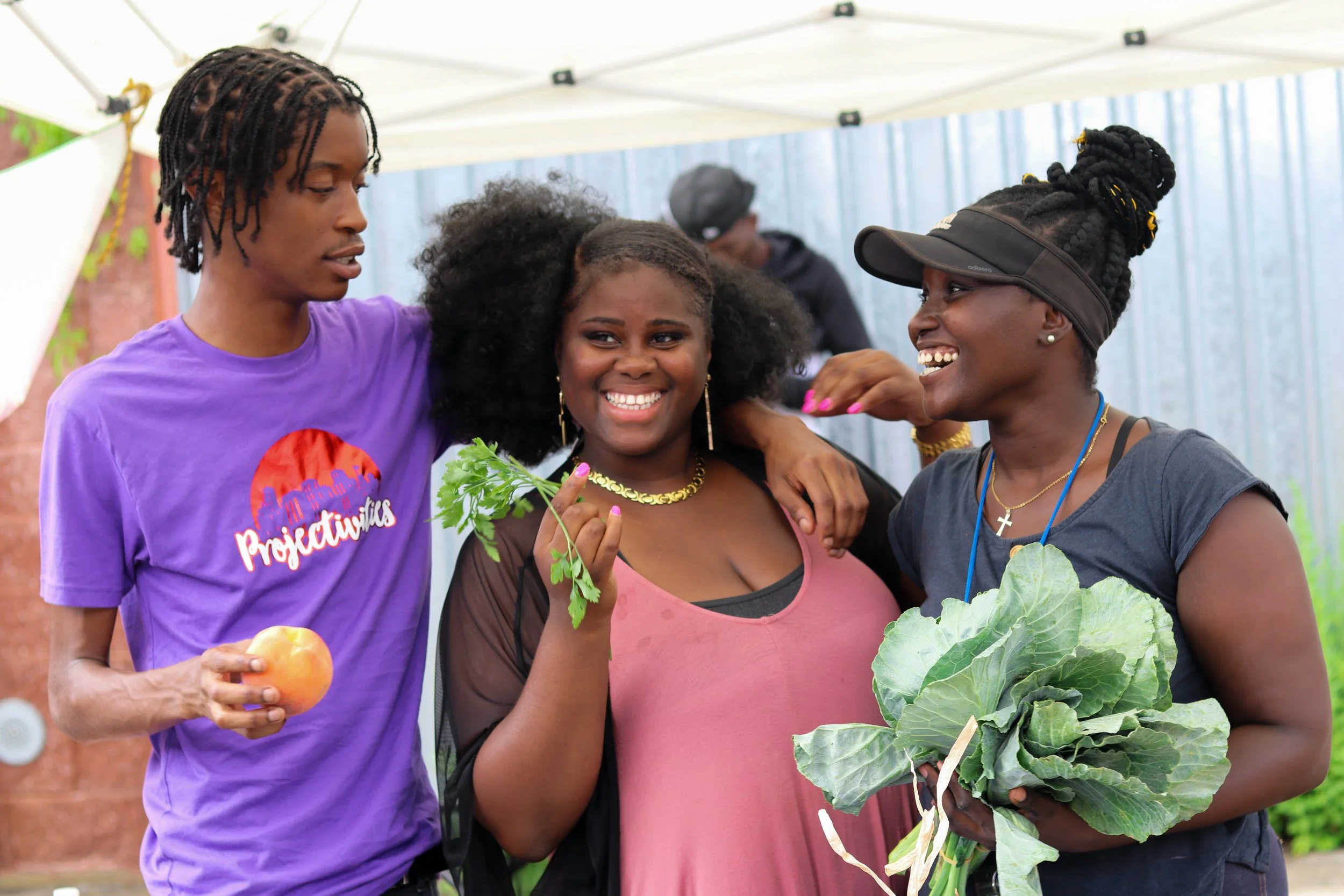
On the surface, New York City supports green space, sustainability, and urban agriculture. But if you spend time in food justice spaces, a different picture emerges—one where the city’s policies lag far behind the people already doing the work.
I didn’t come to food justice and urban farming through academia or policy fellowships. I came to it by putting my hands in the soil through AmeriCorps and the Green City Force program. Building community gardens in public housing developments across New York City helped me see the direct link between growing food and community resistance.
In many of the neighborhoods I worked with, access to fresh food is uneven, and public investment is inconsistent. Across NYCHA’s Bushwick Houses to Castle Hill in the Southeast Bronx to Canarsie, Brooklyn, you see the same trend. The invested infrastructure has few amenities and no real pathways towards community engagement. We see one supermarket, a liquor store, some fast-food options, no loitering signs, over-policing, a lack of green space, and living conditions that could be better. We see community members struggling to put food on the table, walking past chained-up gardens and green spaces that no one can access.
Ask a simple question—can New Yorkers grow food on public land?—and you’ll find yourself in a bureaucratic loop. The New York City Department of City Planning, the agency that regulates zoning, says that the New York City Department of Parks and Recreation is responsible for what can be grown where in the city. But Parks and Recreation says they aren't responsible for that, despite having programs like Greenthumb, which directly supports community gardens under their purview and manages 30,000 acres of the city’s land.
This lack of clarity prioritizes a certain landscape. The current version of public space prioritizes aesthetics and recreation over sustenance. Playgrounds covered in rubber mulch, manicured bushes, and decorative flowers are acceptable. But apple or orange trees lining our city streets and edible greens in our parks are less so, despite being easy ways to boost fresh food access. The city also has existing models like Concrete Plant Park - a Bronx Food Forest or Swale, a food forest on water - that can speak to the scale, resources, and the capacity needed to sustain local food forests.
Of course, planting fruit trees is not an easy fix. Transitioning to food-producing landscapes would require long-term investment—soil remediation, integrated pest management, and community stewardship. This requires intention, investment, and time.
Growing Food in Public Space
Right now, the way our public space is utilized reflects a deeper message—that food is something to be bought, not grown or shared in community. In my practice as an urban farmer, food justice organizer, and artist, I am working to combat this ideology directly.
My project, The Art of Community Tree Gardens, puts this philosophy forward—food should be free, and our public spaces should support radical free growing— in both practice and policy. Radical free growing is an anti-colonial grassroots approach to growing food. It reminds us that land and food have been weaponized against people of color for centuries. This kind of growing allows us to reclaim our history, our space, and our culturally relevant foods. Creating economic freedom and a greater connection with the Earth around us.
In East Flatbush, Brooklyn, I’m installing “tree satchels”, which are mobile, self-sustaining growing systems attached to street trees. Made from food-grade burlap sacks and customized with cotton rope to wrap around tree trunks, these satchels will hold lightweight and nutrient-rich soil. They can support up to 100lbs, so the growth of herbs, leafy greens, root vegetables, and native medicines will be easy to maintain. What is exciting about the tree satchels is that they transform ordinary blocks into living food systems. This will allow communities to create foraging pathways through a localized system.
Our info session was hosted virtually on April 25, 2026, and walked community members through the ethos and process of this project. We spoke about how easy it is for garden spaces to get co-opted in the city. One person can create barriers to entry for entire groups of people. The Art of Community Tree Gardens offers another pathway towards growing food in the city landscape. By optimizing trees, we reclaim ownership of the land, creating systems that allow the land to provide for us, and vice versa. The activation will run from May 16, 2026, to July 11, 2026, consisting of 6 local workshops for community members to create, design, and actualize these tree satchels.
The Art of Community Tree Gardens draws inspiration from Banksy, not in style but in strategy. The gardens will appear without announcement. I’ve done no official mapping, no social media announcement, or branding on the satchels. The goal is for people to interact with something unexpected and alive and get curious about the multitude of ways public space can be better used.
The decision to do a blitz activation of the project is political. In a city where surveillance is unevenly distributed, and immigrant, Black, and Brown communities face heightened scrutiny, visibility can carry risk. By keeping the project hyper-local and initially unpublicized, I hope to encourage participation and show people we can scale. That we can create independent food systems outside of the structure that’s set up for us. This project is public, but others won’t have to be. Block by block, community by community, we can each change what it means to see and interact with the trees around us.
Redefining Community and Knowledge
Another key theme that has emerged in my work is how we define community. That term can be vague and inaccurately represent a so-called underserved population. That dominant framing can flatten and generalize the uniqueness of neighborhoods and lived experiences. Community is expansive and should be reframed as a network of shared space, resources, knowledge, and experiences. A hub of information and support that allows each individual to grow within the collective.
One barrier that I’ve noticed in environmentalism is that expertise must be credentialed. Degrees, institutions, and affiliations become gatekeepers. But in the neighborhoods where I’ve worked, expertise looks different. It looks like the wisdom of elders who know which plants and pollinators thrived where. This kind of knowledge and wisdom is rarely captured in policy reports.
An emerging space tied to knowledge keeping is oral history. I’ve gotten to engage in this kind of knowledge-keeping through working with the National Public Housing Museum in Chicago. The museum documents the stories of people connected to public housing nationally. I started working with the museum in 2023 and completed their Beauty Turner Academy Oral Historian Program in 2024. I've continued my relationship and am now going through their Apprenticeship program and participating in their Archival Working Group. My work consists of collecting interviews, doing transcriptions, and connecting Public Housing Residents with the museum.
Through my project, I hope to bring the oral histories of East Flatbush to light. Showcasing the growing already happening within the community. This project also raises an uncomfortable question: why must communities operate in the shadows to demonstrate what’s possible? Why does innovation so often require working around the very institutions that claim to support it?
We know that large institutions and governmental systems move slowly, bound by regulation and liability. But the flip side of that is maintaining control. Letting go of some of that centralized power could give our communities real authority over public land. Considering this country’s history, that is a difficult task.
We need public land that is not just maintained, but activated. Where food is not just purchased, but grown. Where expertise is not just certified, but lived.
The Art of Community Tree Gardens is one step toward activating our public land. New York City should recognize and support local efforts like this and create pathways that invest in our long-term ecological systems and public health.
Either way, the seeds are already in the ground.
You can watch Chantel’s full interview on Voices From the Land Here

Know Your Farmer: Addressing the Heart of Food Insecurity in Kensington
Kensington, a neighborhood in North Philadelphia, is getting a fresh-produce corner store to tackle the lasting impacts of food apartheid.
Cities across the United States continue to deal with the lasting impacts of food apartheid, an intentional system of violence perpetrated through disparities in food access. Food apartheid also underscores how other structural injustices, such as redlining and over-policing, have limited the access to fresh, nutritious, and affordable food.
Kensington, a neighborhood in North Philadelphia is a prime example of food apartheid. But one Philadelphia farmer, Christa Barfield, owner of the community farm and greenhouse FarmerJawn, is looking to combat this issue directly with a new farm-to-corner storefront called CornerJawn, aimed at improving the health outcomes and social fabric of the Kensington community.
Barfield began dreaming up CornerJawn after a trip to Martinique in 2018, where she stayed in an Airbnb owned by Black Martinican farmers. Barfield was inspired by them to better understand the origins of food and its actors in her community: “Where are the farms, and where are people getting their food and why?” In her own neighborhood, corner-stores owners were hesitant to sell fresh produce because they were afraid it would not sell. That is when Barfield began to conceptualize a corner store that would offer “food as medicine” to the community.
The Need for Nourishing Food
While there are many places to buy food in Kensington, Barfield points out that there’s a lack of nutritional security. From 2021 to 2024, food insecurity in the Philadelphia area jumped from 13.6 percent to 21.2 percent. Statewide, one in seven Pennsylvania residents used the Supplemental Nutrition Assistance Program (SNAP) in 2024.
“Yes, you can find a mini mart that is selling some kind of nourishment, but is it really nourishing? That’s the true conversation here,” said Barfield in an interview with NPQ. “Localizing the food system is how you get to the heart of nutrition security, and that starts with knowing who your farmer is.”
Read the full story on NPQ