What Are We Owed? Land As Our History and Future
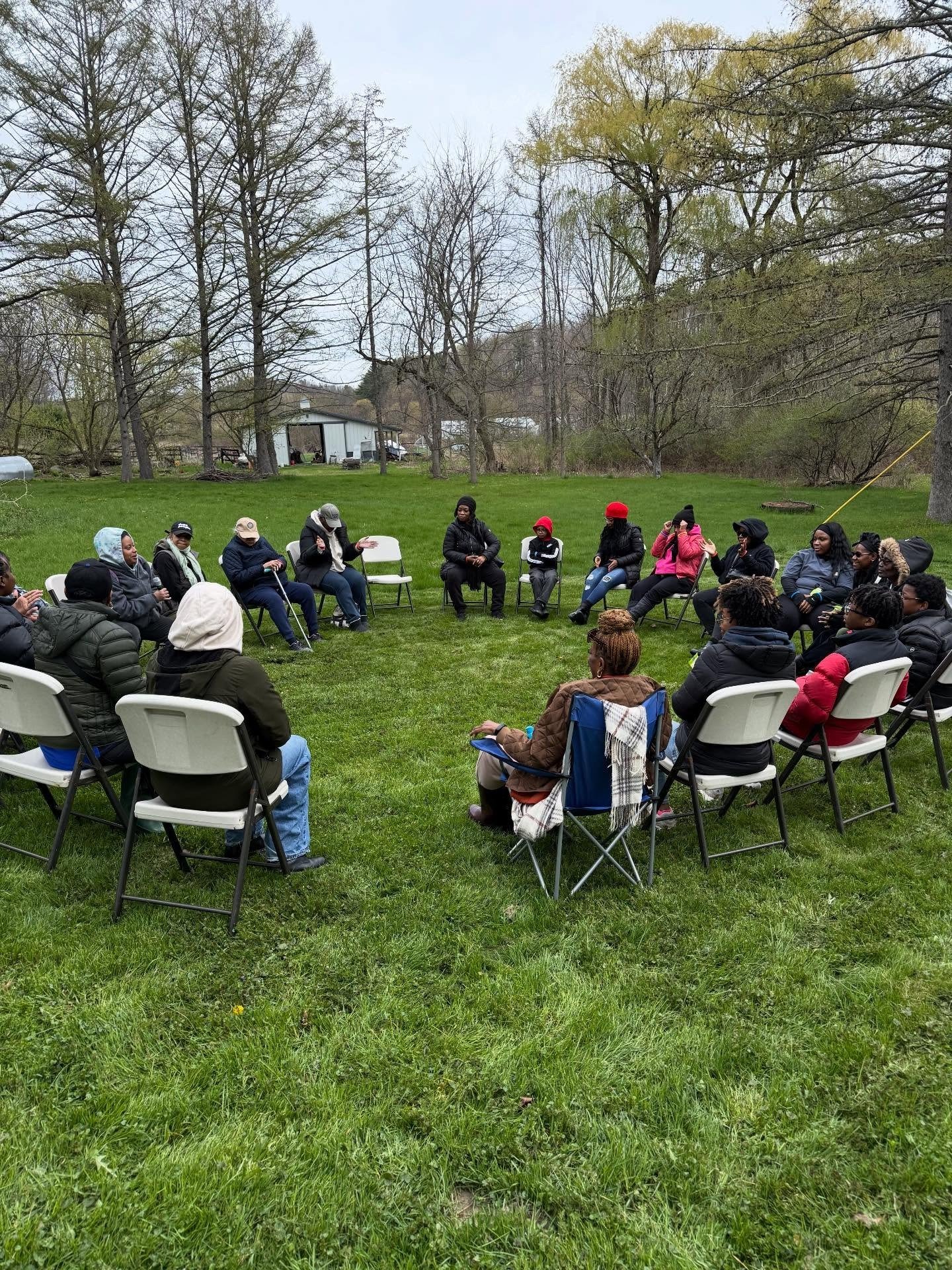
Black Yard Farm Collective was never simply about producing food. The farm is an opportunity to build community, housing, education, and, most importantly, connect people to land.
Voices from the Land is a collaborative op-ed and video series between Farm School NYC (FSNYC) and the New Harvest Project (TNH) that highlights urban and rural farmers, policy that impacts their work, and what we can do to uplift legislation reflective of their needs to direct future policy decisions. This project is funded by the Regenerative Agriculture Foundation (RAF) through the Rural Advancement Foundation International - USA (RAFI).
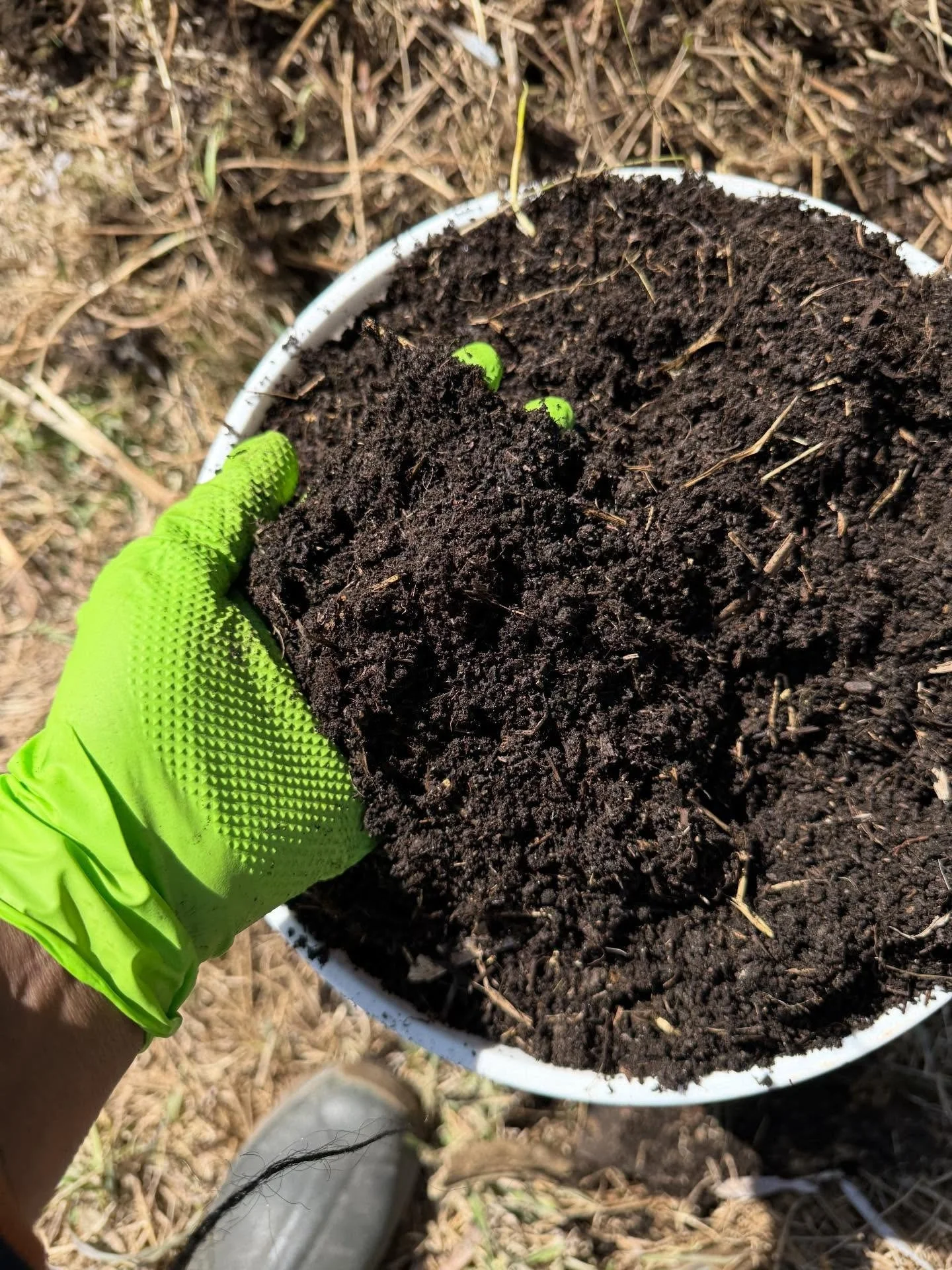
Photo Courtesy of Ashanti Williams, Founder of Black Yard Farm
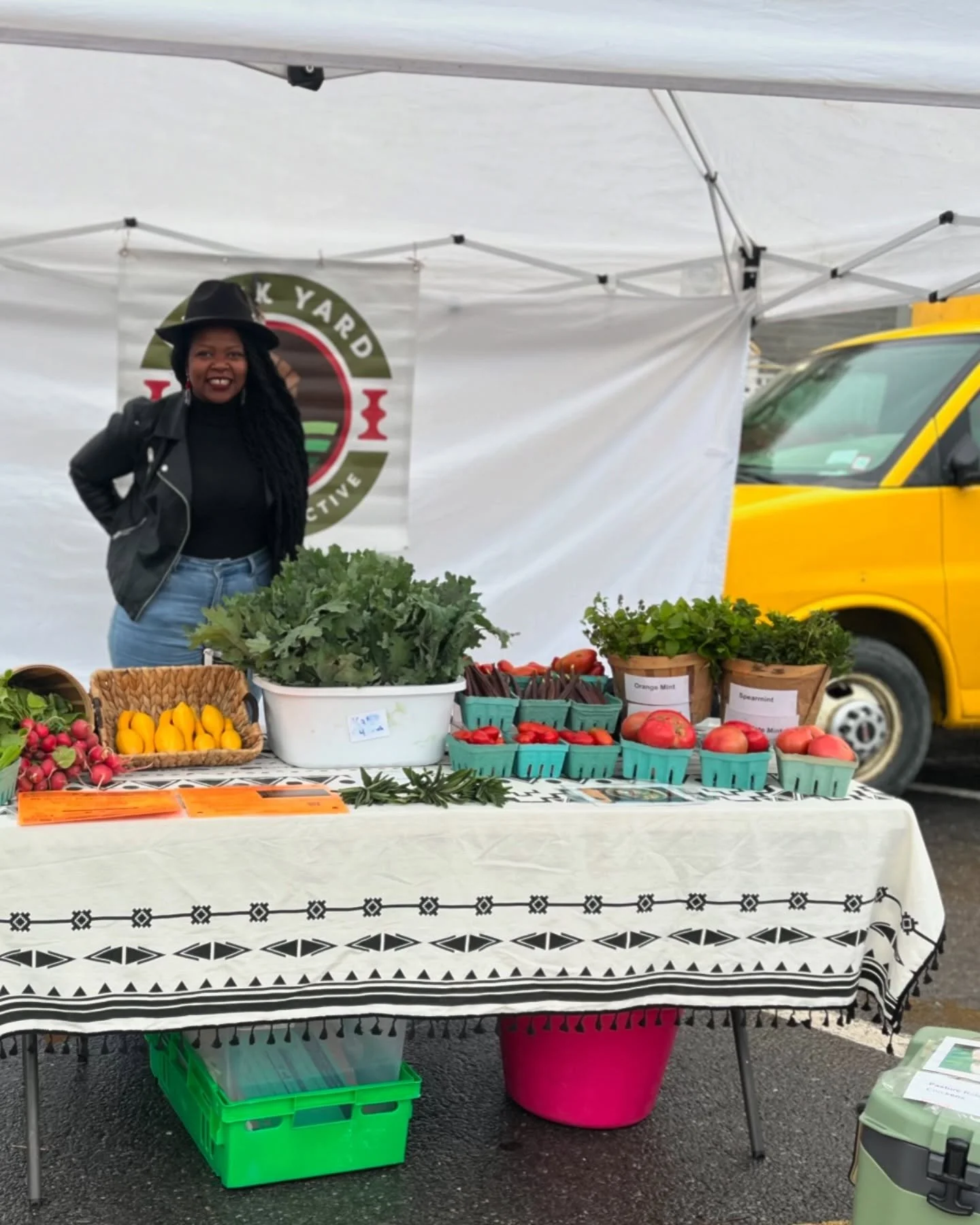
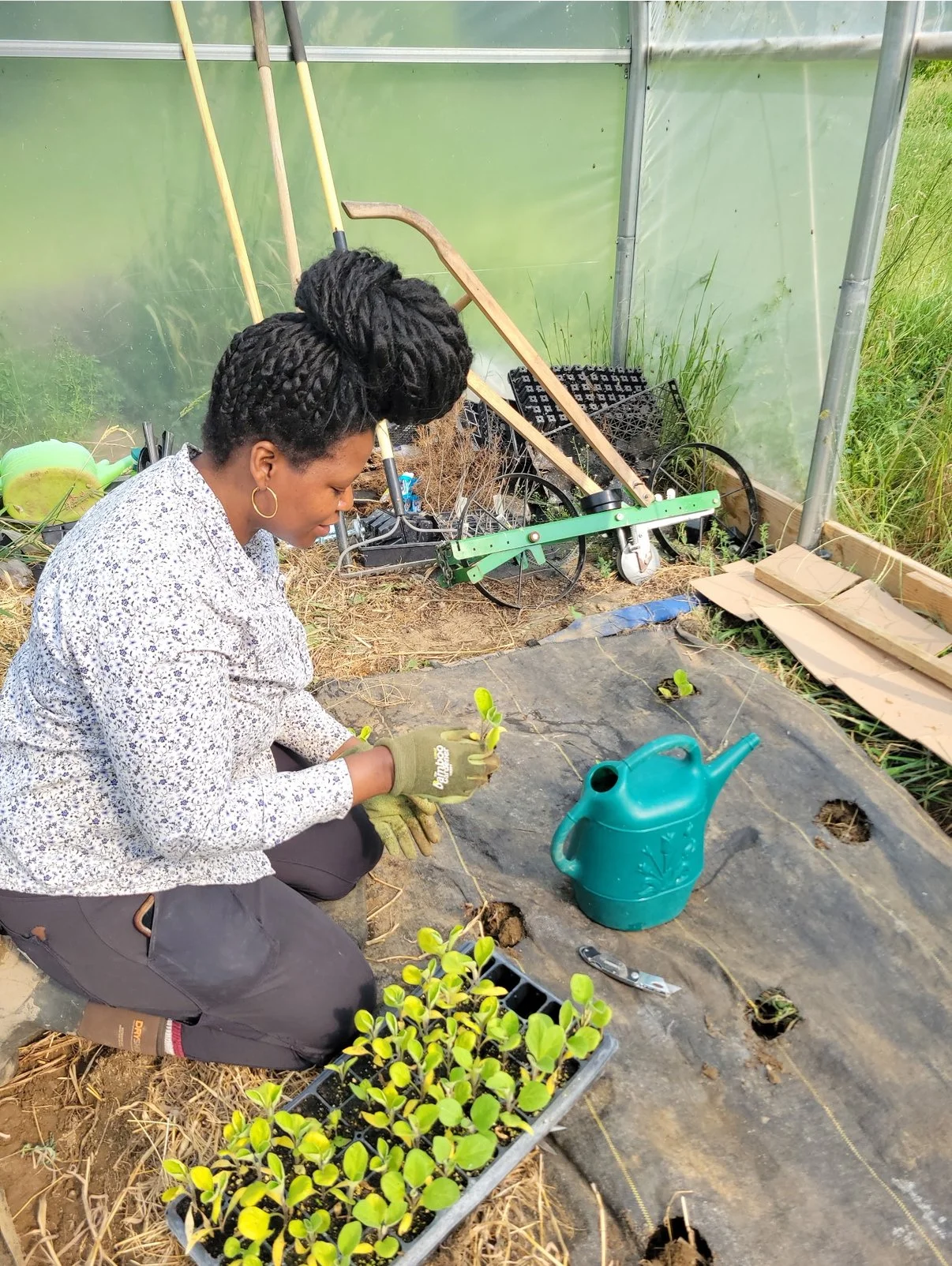
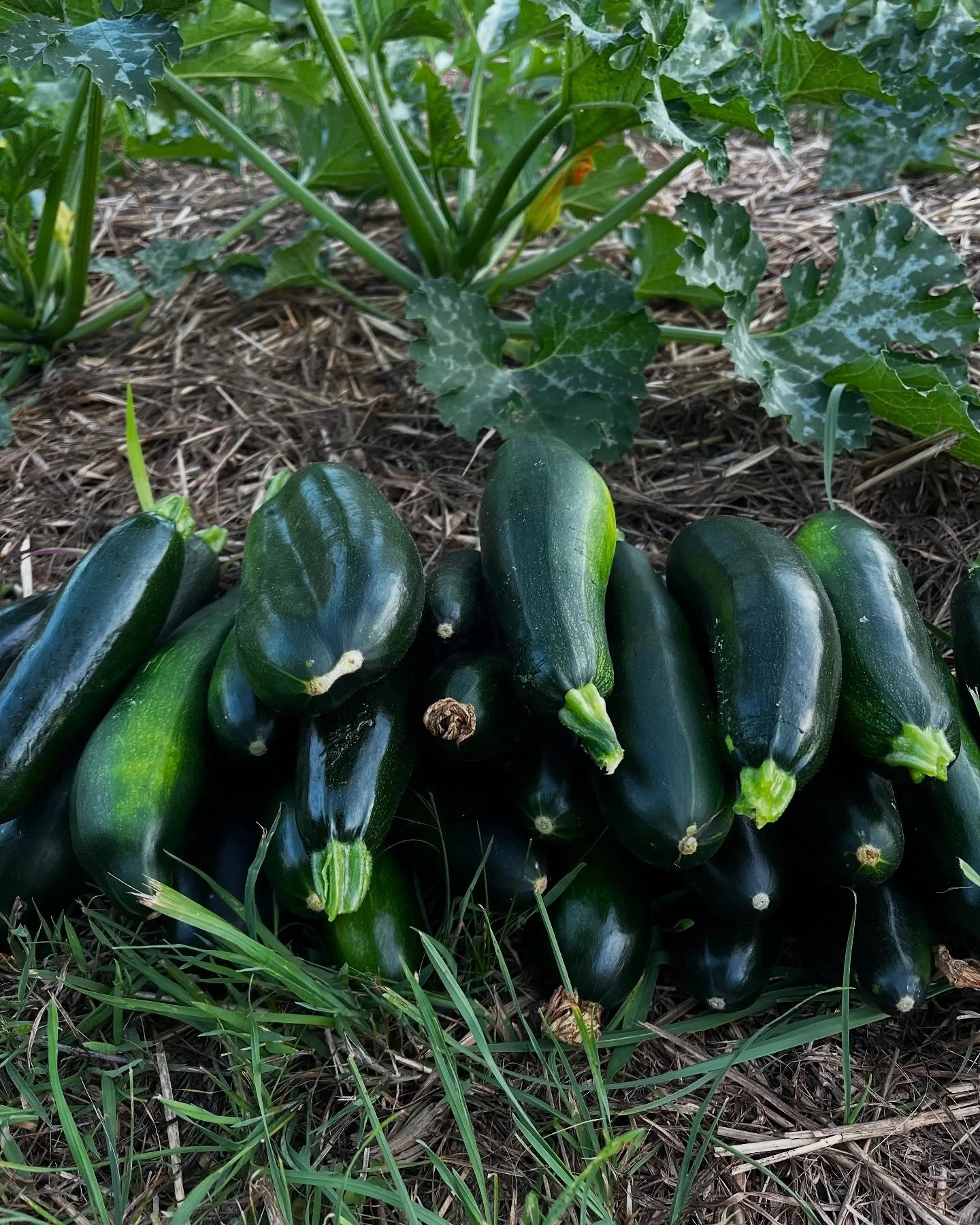
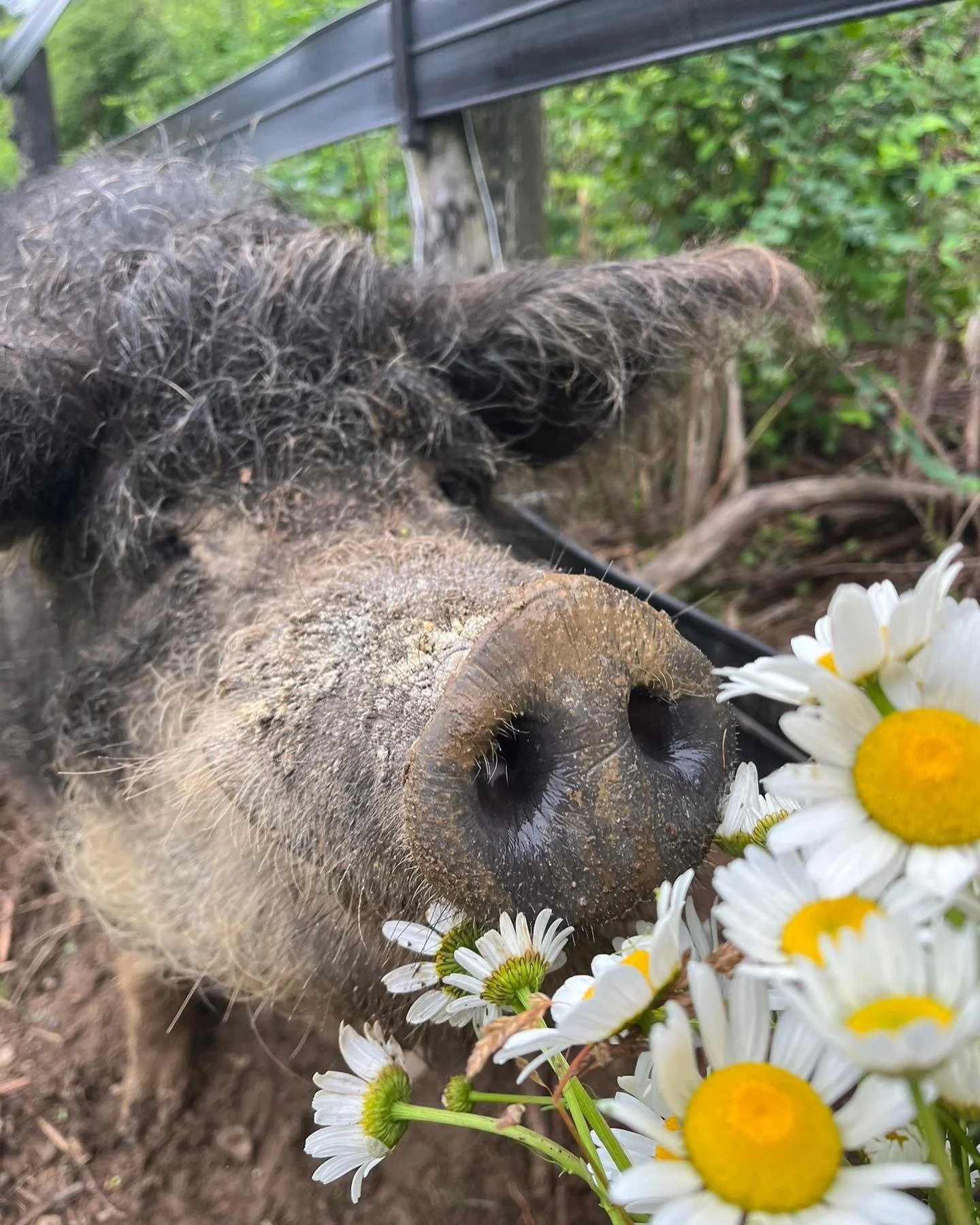
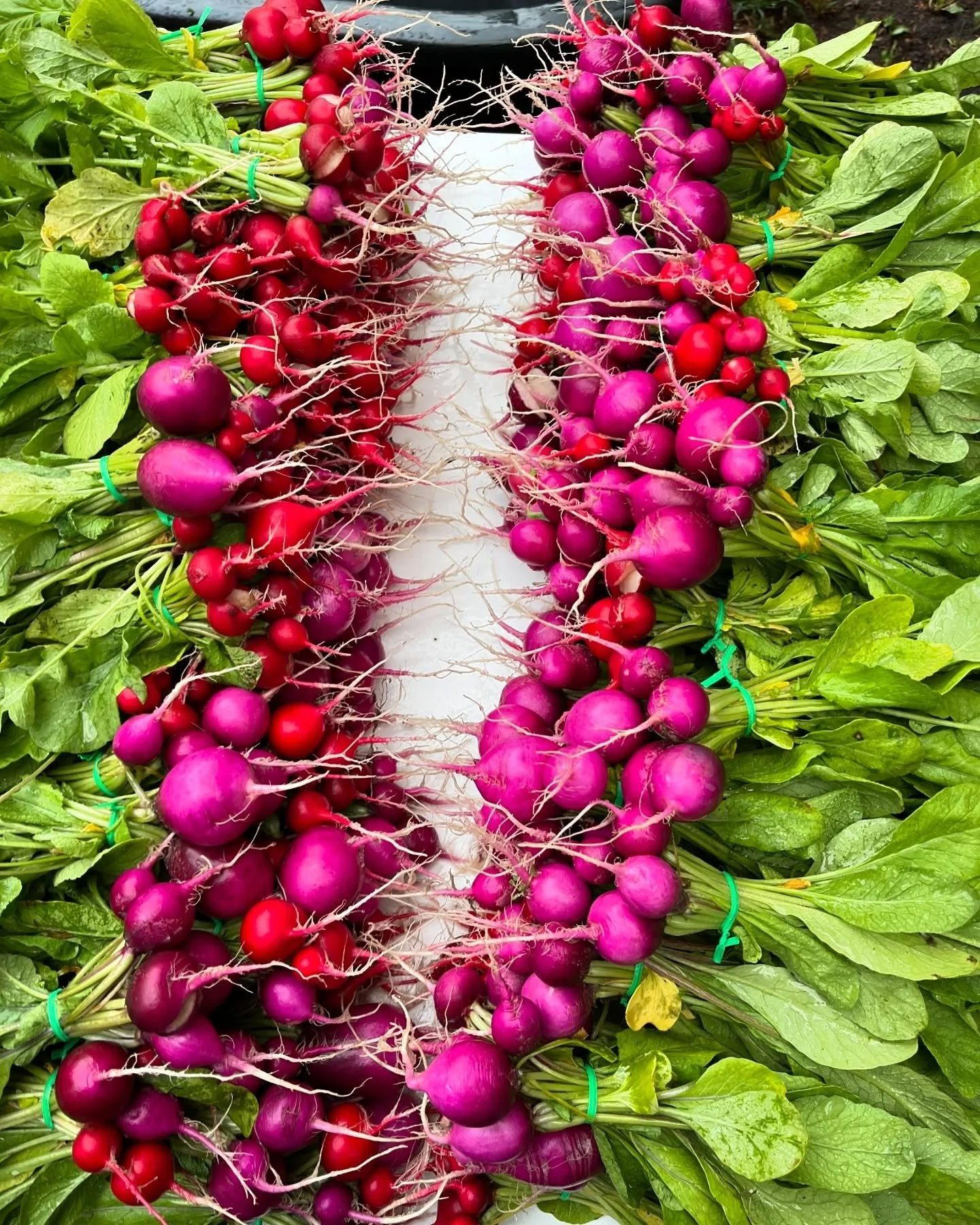
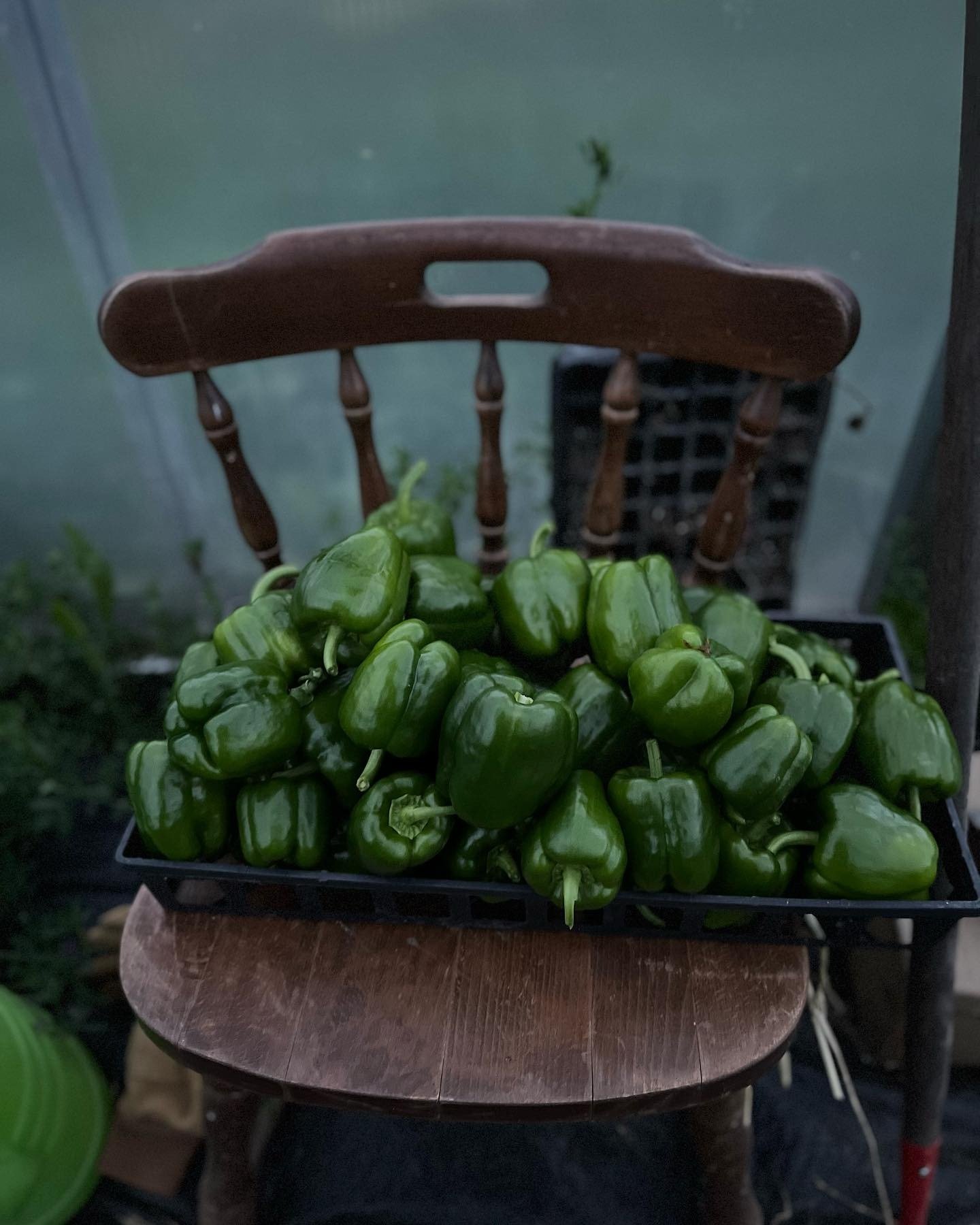
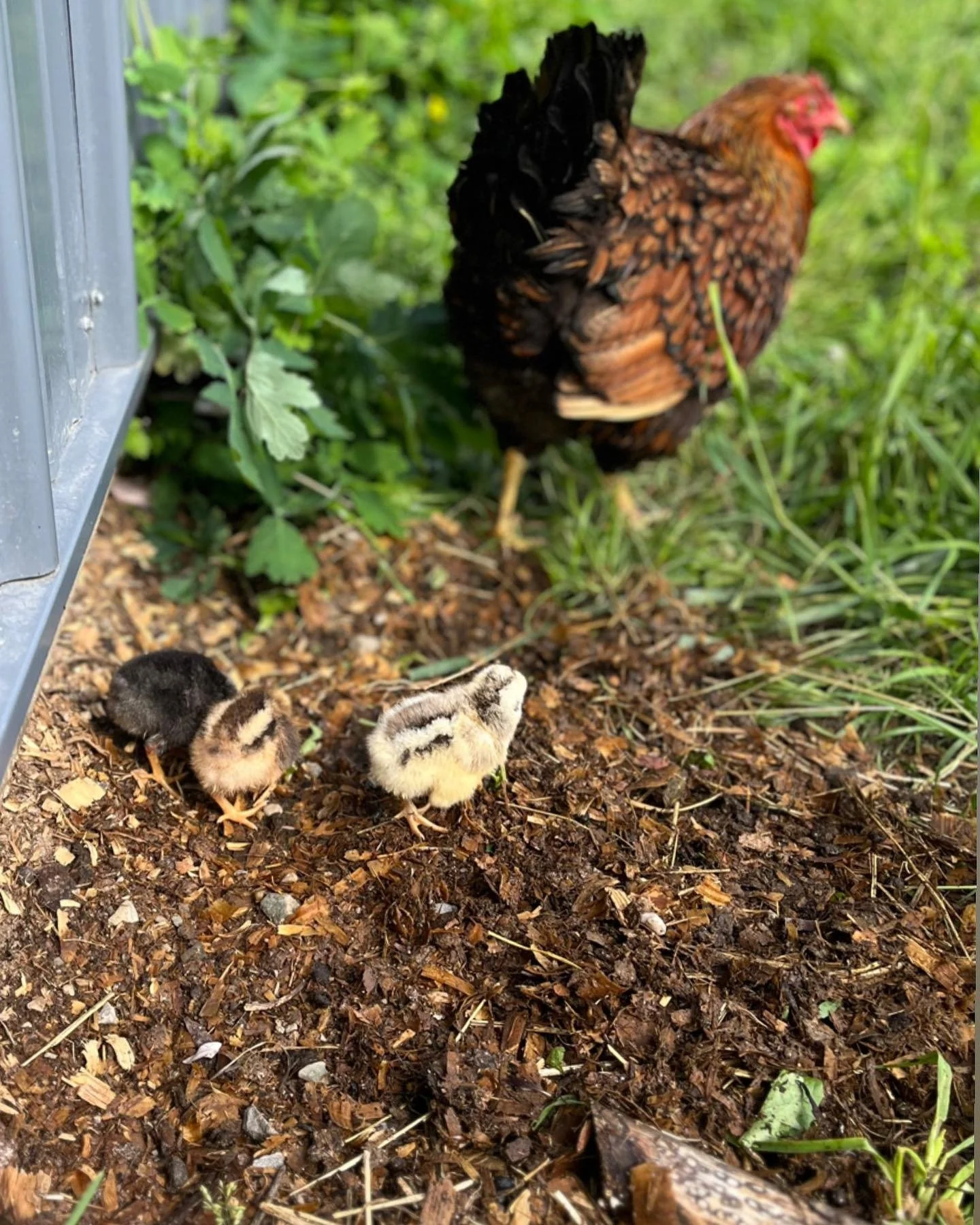
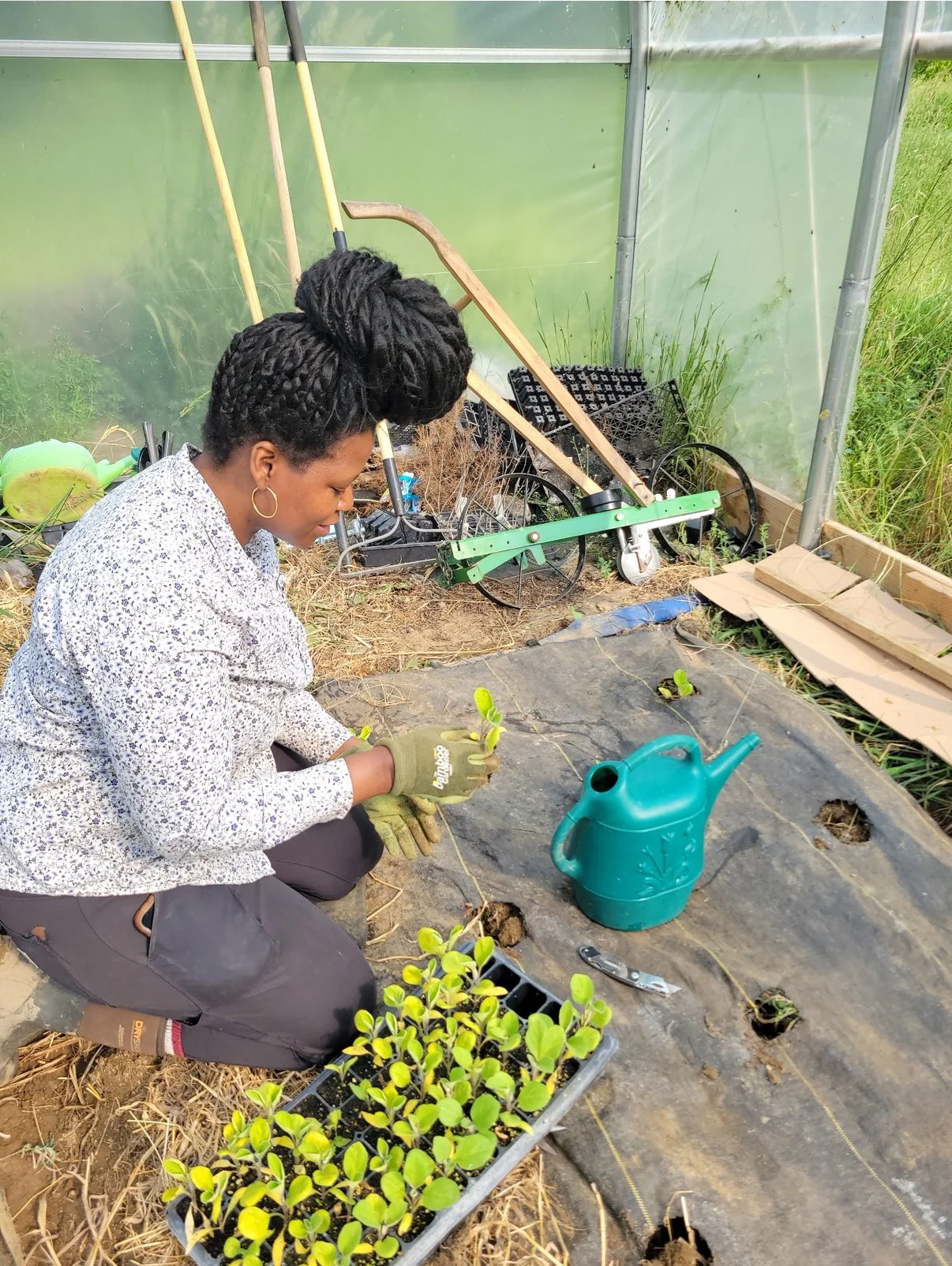
Black Yard Farm sits on 89 acres in Washington County, New York. Many lives live here. There are chickens—48 at the moment, with hundreds more raised throughout the year—along with a pig named Pedro, 11 cats, a turkey, and plans for sheep and goats. I grow 43 varieties of vegetables each year.
I always knew that building Black Yard Farm was never simply about producing food.
I grew up in The Bronx, where my introduction to farming began with my grandfather, Abu Talib, who, along with a few other community members, established Taqwa Community Farm on a vacant city-owned lot in the early 1990s to address food insecurity in the neighborhood. The community farm still stands today, providing fresh food in a neighborhood with limited access to grocery stores, while also giving young people like me a place to learn this work. By the time I was 11, I was helping my family start a youth-run farmers market. That early experience continues to shape the possibility of what the full robustness of Black Yard Farm could look like. To me, I see the farm as an opportunity to build community, housing, education, and, most importantly, connect people to land.
The Beginnings of Black Yard Farm
Black Yard Farm began in 2020 as a collaborative project involving six people. After difficulties with the original property and its lease, and team dynamics, the farm project relocated to its current home in Washington County.
I was fortunate to find landowners who were excited about returning what had become just a residential property back to active farmland and were even more excited about Black Yard Farm's mission to do so collectively. I envision this farm to be a producer cooperative where various agricultural and farm-adjacent businesses will operate on the same land, caring for it collectively while creating their own products and livelihoods and market these goods under the same umbrella.
This could look like maple production, honey bees and mushroom cultivation, educational programs, visiting chefs using food grown on the property, and eventually housing for people participating in the cooperative. Black Yard Farm will stand as an ecosystem, just how nature does. At one point, my understanding of what a cooperative and farming ecosystem was completely different. I used to think that meant everyone working on the same piece of property, doing the same things together all the time. But I now know that co-existence and cooperative living can look how you want it to.
For small farmers and Black farmers, who have historically been barred from accessing significant amounts of capital, collaboration can expand opportunity without requiring each individual to bear the full cost of land, infrastructure, and equipment alone.
While some recent federal programs designed to reach historically underserved farmers offer meaningful opportunities, the application process can still be difficult. It can be burdensome to understand the language of these programs and applications and to figure out how best to present an entity like Black Yard Farm in the current political climate.
There is so much uncertainty since the turn of the Administration. Thankfully, I have a favorable lease for Black Yard, which leaves me with the first option to purchase the land next spring. However, I will likely have to rely on federal funding.
In the current moment, I worry about the discomfort of identifying as a Black-led and centered business, particularly when it comes to applying for federal funding since diversity, equity, and inclusion are being actively targeted.
What Are We Owed?
As stated in The Color of Money: Black Banks and The Racial Wealth Gap, by Mehrsa Baradaran, the wealth of the United States was built on the labor of Black people in agriculture, specifically through cotton production, and we seem to be forgetting that. I will always bring up reparations.
Not only were enslaved Black folks exploited for their labor during slavery, but they were traded and sold as commerce—liquid assets, if you will. Black folks were prevented from participating in receiving profit or any benefits from the institution of slavery and the production of cotton, the very system that led America to economic dominance worldwide. Federal laws were put in place to uphold slavery and the notion of Black folks being inferior to whites, being considered ⅗ of a man, and that it was God's will for slavery to exist were spread far and wide. When slavery ended, white farm owners were compensated for their “loss of capital”, after no longer being allowed to exploit black folks for profit. After slavery was abolished, the era of Jim Crow was ushered in, and laws were put in place to continue restricting access to resources and funding to Black folks. This perpetuates today in the current wealth and land ownership gaps amongst black and white folks.
Black Yard Farm is an opportunity to hold space for this knowledge and build new restorative systems that value all beings present, working the land and beyond. We are owed the same opportunities to build sustainable, profitable businesses that nourish our lives and communities.
That is a radical idea in a capitalist society, and we must hold on to it.